Residential Flood Restoration Augusta, GA
Professional Water Extraction and Structural Drying for Your Home
When a flash flood or a sudden pipe burst sends water rushing into your living room, the clock starts ticking immediately. In the Central Savannah River Area, we see how quickly a heavy summer storm can overwhelm a home's defenses. You aren't just looking for someone with a shop vac; you need a team that understands how moisture moves through Georgia homes. Our approach to Residential Flood Restoration focuses on stopping the migration of water before it compromises your subflooring or creates a permanent odor in your drywall.
We don't guess where the water is. Our technicians use thermal imaging and moisture mapping to find hidden pockets of saturation behind baseboards and under cabinets. It’s common for a floor to feel dry to the touch while the insulation behind the wall is still holding gallons of liquid. By using specialized air mover placement and industrial dehumidification, we pull that moisture out of the structure itself. This process, known as structural drying, is the only way to ensure your home is actually stable and safe for your family to occupy again.
Dealing with Category 3 water—which often involves sewage or outdoor runoff—requires a much higher level of care than a simple sink overflow. You shouldn't have to worry about whether your home is sanitary. We follow strict IICRC standards for every job, ensuring that antimicrobial treatments are applied correctly and that contaminated materials are removed safely. Because Augusta’s high humidity can trigger mold growth in as little as 24 hours, our rapid response is designed to hit that critical window before secondary damage takes hold.
Navigating the aftermath of a flood is exhausting, especially when you're staring at ruined carpets and soaked furniture. We work directly with your insurance carrier to handle the documentation they require, including detailed drying logs and psychrometric readings. Whether you're in a historic home in Summerville or a newer build in West Augusta, our experienced technicians bring the right equipment to stabilize the environment and start the recovery process immediately.
Our licensed operators handle residential flood restoration with upfront pricing, fully insured equipment, and 24/7 availability throughout Augusta, GA.
Residential Flood Restoration Augusta, GA
Protecting Your Home’s Structural Integrity and Your Family’s Health
The primary benefit of professional Residential Flood Restoration is the preservation of materials that would otherwise be lost to rot or microbial growth. When you face a sudden surge from a burst pipe or a flash flood in the Central Savannah River Area, the clock starts ticking immediately. Our team uses advanced moisture mapping to find water hidden behind baseboards and inside wall cavities that a simple mop-up would miss. By identifying subfloor saturation early with thermal imaging, we can often save your structural components before they warp or lose their load-bearing capacity.
Beyond just drying the surface, we focus on the long-term health of your living space. In Augusta’s high humidity, mold prevention is a race against time. We implement scientific structural drying protocols, including strategic air mover placement and industrial-grade dehumidification, to pull moisture from the air and the building materials themselves. Throughout the process, we maintain detailed drying logs and take psychrometric readings to prove your home is truly dry. This documentation is vital when dealing with insurance adjusters, as it provides the objective data needed to verify that the work was performed to professional standards. You can learn more about our team and our commitment to these rigorous standards on our dedicated profile page.
-
Rapid water extraction to prevent Category 3 water from saturating porous drywall and insulation.
-
Precision drying of hardwood floors and subfloors to avoid the high cost of total replacement.
-
Professional sewage contamination cleanup using EPA-approved antimicrobial treatments for family safety.
-
Scientific verification of a dry environment through moisture mapping and thermal imaging technology.
-
Direct coordination with your insurance carrier to streamline the claims process and reduce out-of-pocket stress.
Residential Flood Restoration Augusta, GA
Why Choose Reclaimed Restorations LLC for Residential Flood Restoration
Reclaimed Restorations LLC combines local knowledge, modern equipment, and honest communication for every residential flood restoration call.
IICRC Certified Expertise
Our technicians hold WRT and ASD certifications, ensuring every structural drying plan follows the highest scientific standards for moisture removal.
Advanced Moisture Mapping
We use thermal imaging and penetrating moisture meters to track water migration through wall cavities and subfloors, leaving nothing to chance.
Direct Insurance Coordination
We work directly with your adjuster to manage the documentation, including drying logs and psychrometric readings, to streamline your claim process.
Rapid Local Response
Based right here in the CSRA, we arrive quickly to mitigate damage from flash floods or pipe bursts before Category 3 water causes permanent structural rot.
Residential Flood Restoration Augusta, GA
Common Questions About Residential Flood Restoration
Residential Flood Restoration Augusta, GA
The Critical Importance of Immediate Residential Flood Restoration
In the humid climate of the Central Savannah River Area, water doesn't just sit; it migrates. If you wait more than twenty-four hours to address standing water, you aren't just dealing with a wet carpet—you’re inviting a microbial colony to take root in your drywall and baseboards. Because Augusta experiences heavy rainfall and high dew points, the natural evaporation rate in your home is often too slow to prevent secondary damage. Professional flood restoration in Augusta is about more than just sucking up puddles; it is about controlling the environment through precise dehumidification and moisture mapping to ensure that hidden pockets behind your vapor barrier don't lead to rot. Our initial water extraction process is only the beginning of a scientific drying plan.
Many homeowners assume that if a floor feels dry to the touch, the danger has passed. This is a dangerous misconception that often leads to expensive repairs later. Water frequently gets trapped in the subfloor saturation zone, where it can sit for weeks, slowly compromising the structural integrity of your floor joists. We use thermal imaging to see what the naked eye misses, identifying cold spots that signal trapped moisture. Proper air mover placement is essential to break the boundary layer of air and pull moisture out of dense materials. If your flood involved Category 3 water—such as a sewage backup—the importance of professional intervention triples. You cannot simply "clean" porous materials contaminated by sewage; they require specific antimicrobial treatments to keep your family safe from pathogens.
Beyond the physical repairs, the technical documentation we provide is what makes or breaks a successful insurance claim. We maintain detailed drying logs and record psychrometric readings daily to prove to your adjuster that the home has reached its specific "dry goal." Without this data, you might find yourself facing a denied claim or a mold discovery six months from now that your insurance company refuses to cover because the initial mitigation wasn't verified. Our experienced technicians understand that your home is likely your largest asset, and we treat the structural drying process with the rigor it deserves to protect that investment and your family's health.
Our Services
Basement Flood Cleanup
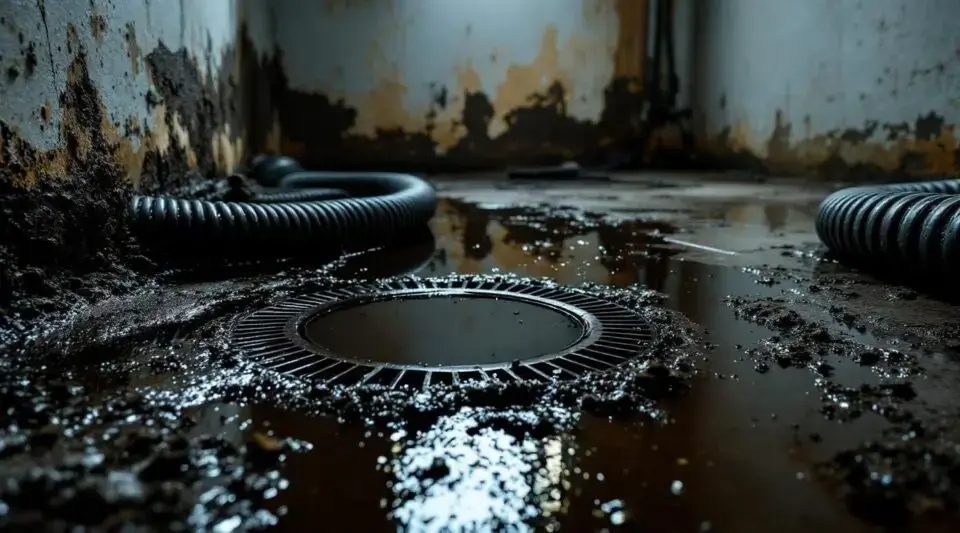
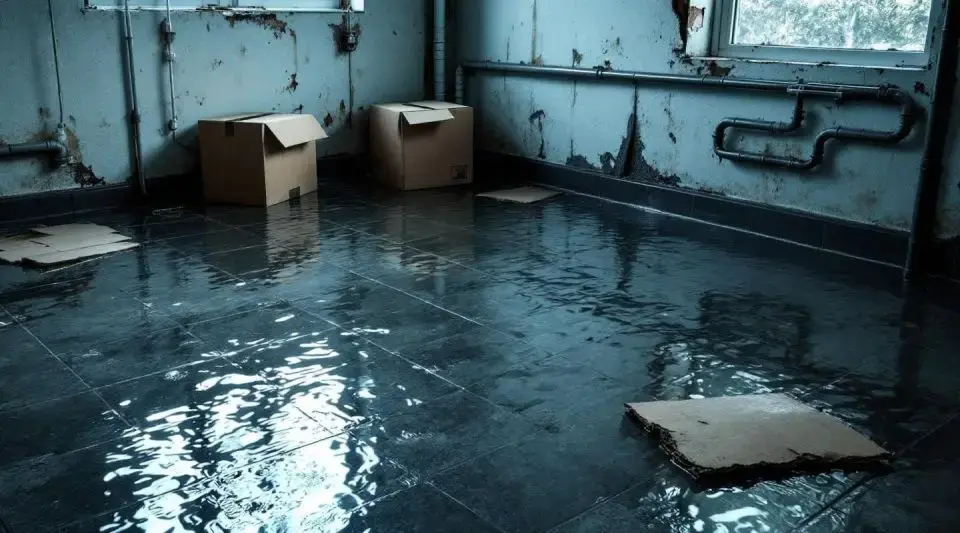
Walking down your stairs only to hear the splash of water against your boots is a nightmare no homeowner in Augusta wants to face.
View Service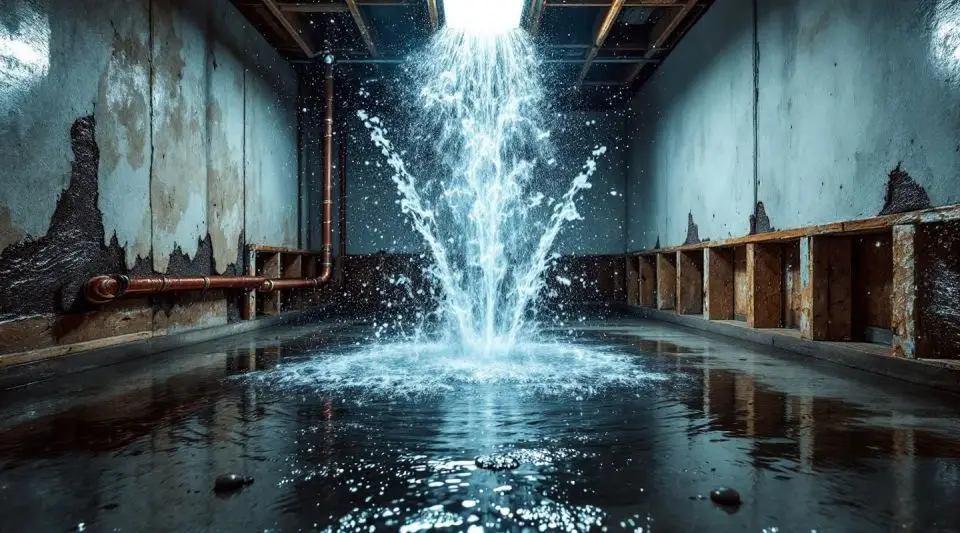
Burst Pipe Water Damage
When a copper line fails behind your laundry room wall or a frozen pipe finally gives way during a rare Augusta hard freeze, the sound of rushing water is enough to make any homeowner’s heart sink.
View Service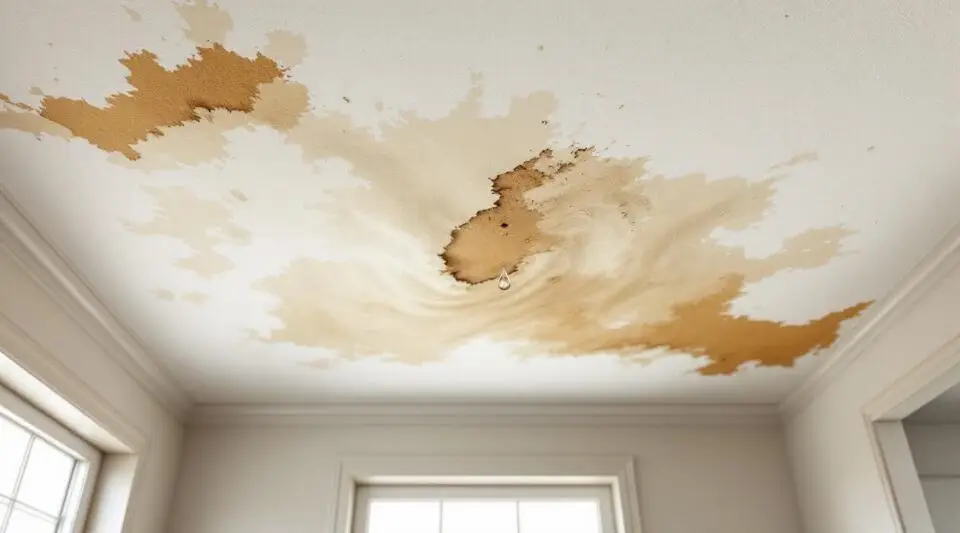
Ceiling Water Damage Repair
Finding a dark, tea-colored stain on your ceiling or noticing a sudden bulge in the drywall is more than just a cosmetic eyesore for Augusta homeowners.
View Service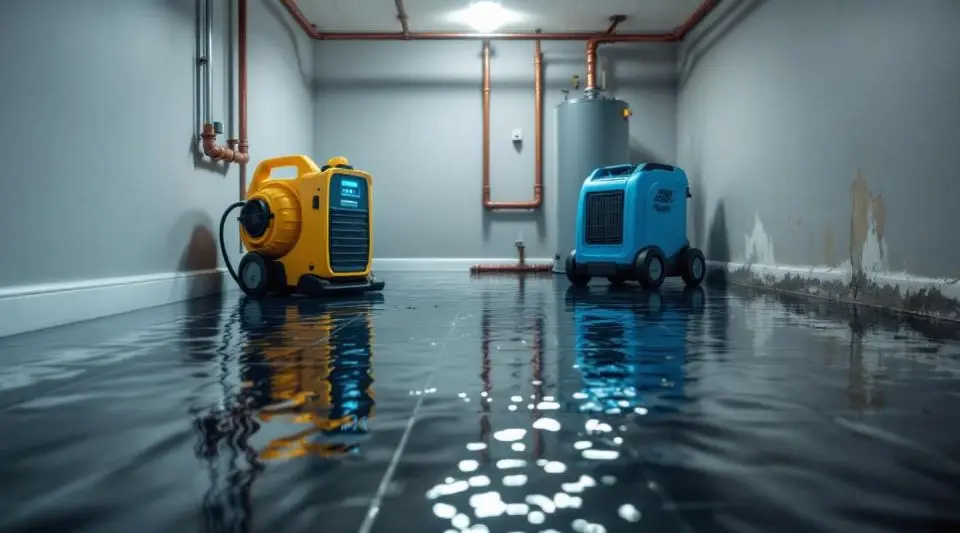
Emergency Water Damage Repair
When a supply line snaps behind your washing machine or a flash flood sends water creeping into your crawl space, the clock starts ticking immediately.
View Service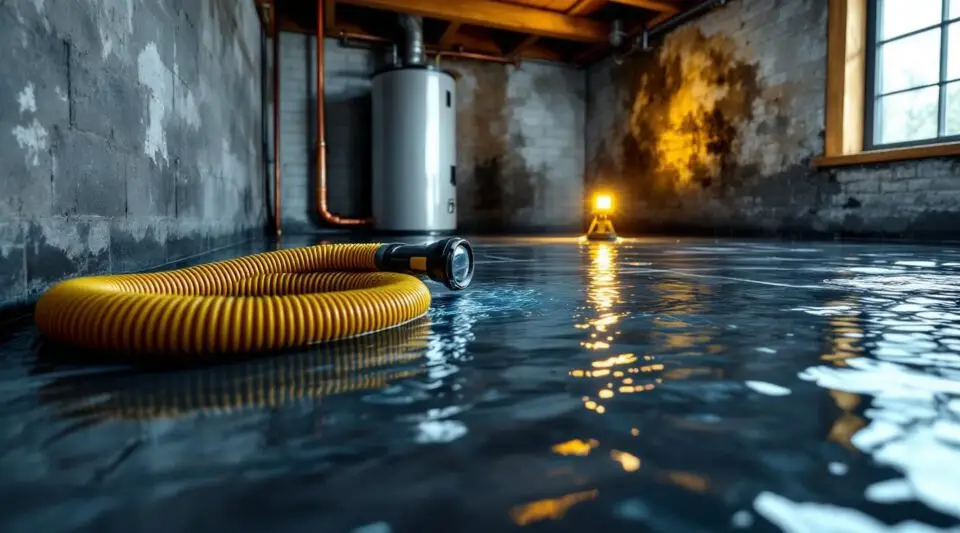
Home Water Removal Services
When a pipe bursts or a heavy CSRA thunderstorm pushes water through your foundation, the clock starts ticking against your home’s structural integrity.
View Service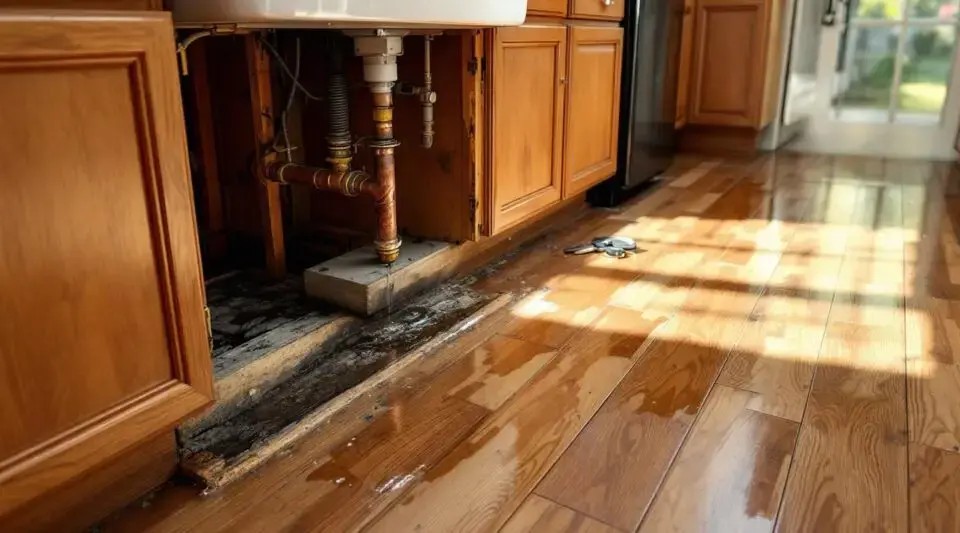
Sewage Backup Cleanup
Our expert team provides immediate, 24/7 sewage backup cleanup in San Diego to safely remove biohazards and restore your home to a healthy, odor-free environment.
View ServiceRestore Your Augusta Home Before the Damage Spreads
Waiting even a few hours allows Category 3 water to seep deep into your subfloor, inviting mold colonies that thrive in our persistent Georgia humidity. You need a team that understands how to interpret psychrometric readings and use thermal imaging to find moisture that the naked eye simply cannot see. Don't let a temporary flood turn into a permanent structural failure.
Contact our Augusta technicians now to start the professional extraction process. We work directly with your insurance carrier to document every step of the drying log, ensuring your property is returned to a safe, dry, and pre-loss condition as quickly as possible.
What They Say About Us:
The crew did an incredible job drying out my home near the Augusta National Golf Club after our sump pump failed. They worked quickly to remove all the standing water and ensured everything was completely moisture-free.
Charlotte
Expert Residential Flood Restoration After Sump Pump FailureI was impressed by their systematic approach to finding hidden mold and keeping moisture out of my property in Summerville. Their team handled the water damage repairs with great care and professional expertise.
Fernando
Thorough Residential Flood Restoration and Mold Prevention ServicesThe workers were fantastic at managing the entire flood restoration process for my house near the Savannah River. They handled everything from the initial water extraction to the final structural repairs with total professionalism.
Lauren
Complete Residential Flood Restoration From Extraction to Final RepairsThe team was extremely respectful while removing damaged materials and setting up drying equipment in my West Augusta home. I appreciated how carefully they handled my belongings during such a stressful situation.
Lori
Polite and Careful Residential Flood Restoration SpecialistsWhen a pipe burst in my kitchen, these professionals arrived in Martinez faster than expected to begin the water removal process. They meticulously checked behind walls and monitored the drying for three days until every area was safe and dry.
Juanita
Rapid Response Residential Flood Restoration for a Burst Pipe