Emergency Water Damage Repair Augusta, GA
Immediate Structural Drying for Residential Water Intrusion
When a supply line snaps behind your washing machine or a flash flood sends water creeping into your crawl space, the clock starts ticking immediately. You don't just have a mess; you have a structural threat that changes by the hour. In Augusta, where the humidity often hovers near saturation, standing water doesn't just sit there—it migrates into your baseboards, wicked up by drywall and soaking into the subfloor saturation points that you can't even see. Reclaimed Restorations LLC provides the immediate intervention needed to halt that migration before it turns into a total gut renovation.
Our approach goes far beyond just sucking up the puddles you see on the surface. We use professional-grade water extraction equipment to remove the bulk of the liquid, but the real work happens with moisture mapping and thermal imaging. By identifying exactly where the moisture has traveled behind your walls, our team ensures that no hidden pockets of Category 3 water or sewage contamination are left to fester. We follow the ANSI/IICRC S500 standards for every job, ensuring that your home is dried to the correct psychrometric readings rather than just looking dry on the surface.
Dealing with a flooded basement or a ceiling leak in neighborhoods like Summerville or Olde Town requires a specific understanding of older building materials. Plaster and old-growth hardwood don't react to moisture the same way modern materials do, and they require specialized air mover placement and dehumidification protocols. If you wait more than 24 to 48 hours, the Georgia heat can quickly turn a simple drying job into a complex mold remediation project. We focus on secondary damage prevention, using commercial-grade equipment to stabilize the environment and protect your unaffected rooms from high humidity.
Throughout the process, we maintain detailed drying logs to document the progress of your structural drying. This isn't just for our records; it’s a critical part of the scope of loss that your insurance adjuster will need to see. We understand the stress of having technicians in your living room, so we work efficiently to get the equipment out as fast as the science allows. Our goal is to return your home to its pre-loss condition while keeping you informed at every step, from the initial extraction to the final moisture check.
Our licensed operators handle emergency water damage repair with upfront pricing, fully insured equipment, and 24/7 availability throughout Augusta, GA.
Emergency Water Damage Repair Augusta, GA
Protecting Your Augusta Property from Long-Term Secondary Damage
When water enters your home, the damage you see on the surface is rarely the full story. Within hours, moisture migrates into porous materials like drywall, baseboards, and subfloors. In the heavy humidity of an Augusta summer, especially during the storm-heavy months near the Savannah River, this creates a ticking clock for mold growth. By using moisture mapping and thermal imaging, we identify exactly where the water has traveled, ensuring that we don't just dry the carpet while leaving the wall studs saturated. This precision prevents structural rot and the long-term health risks associated with secondary damage that often goes unnoticed until it becomes a major structural failure.
Professional intervention also simplifies the complex headache of insurance claims and health safety. Our experienced technicians follow the ANSI/IICRC S500 standards, maintaining detailed drying logs and psychrometric readings that your adjuster needs to approve a scope of loss. This is particularly critical if you are dealing with category 3 water from a sewage backup or storm-driven intrusion, where specialized antimicrobial treatments are required to make the space habitable again. We focus on getting your household back to normal quickly, using strategic air mover placement to accelerate evaporation and stabilize the indoor environment before permanent damage sets in or your insurance claim is compromised by a lack of documentation.
-
Rapid water extraction to stop the migration of moisture into subfloors and structural framing.
-
Advanced dehumidification to lower relative humidity and prevent mold spores from colonizing your living space.
-
Accurate moisture mapping to ensure hidden pockets of water behind plaster or drywall are fully addressed.
-
Professional documentation including drying logs to streamline your insurance claim and verify structural drying.
-
Sanitization of affected areas to handle sewage contamination or category 3 water safely and effectively.
Emergency Water Damage Repair Augusta, GA
Why Choose Reclaimed Restorations LLC for Emergency Water Damage Repair
Reclaimed Restorations LLC combines local knowledge, modern equipment, and honest communication for every emergency water damage repair call.
IICRC Certified Expertise
Our technicians are trained in WRT and ASD standards, ensuring every air mover placement is backed by psychrometric science rather than guesswork.
Rapid Local Response
We are based right here in the Augusta area, allowing us to arrive on-site before Category 1 clean water degrades into hazardous Category 3 contamination.
Direct Insurance Coordination
We manage the complex drying logs and thermal imaging reports required by carriers, working directly with your adjuster to streamline the claim process.
Advanced Moisture Mapping
We use non-invasive meters and thermal cameras to find hidden subfloor saturation that others miss, preventing warped hardwoods and structural rot.
Emergency Water Damage Repair Augusta, GA
Common Questions About Emergency Water Damage
Emergency Water Damage Repair Augusta, GA
Why Emergency Water Damage Repair Matters for Your Augusta Home
Augusta’s climate is notoriously humid, especially from May through September. This ambient moisture means that when a pipe bursts or a storm pushes water into your crawl space, the building materials have almost zero ability to dry on their own. Within just 24 to 48 hours, standing water can transition from a clean-water event to a category 3 water situation, where bacteria and mold spores begin to colonize drywall and baseboards. If you wait, you aren't just looking at a simple water extraction job; you're looking at a full-scale gut renovation. Our experienced technicians understand that in the CSRA, time is the only variable we can't get back once the saturation begins.
It is a common mistake to assume that because your carpet feels dry, the danger has passed. Professional structural drying is about more than just what you can feel with your hand. We use thermal imaging and moisture mapping to find the water that has wicked up into your wall studs or settled into the subfloor under your hardwood. Without proper dehumidification and strategic air mover placement, that trapped moisture creates a "greenhouse effect" inside your walls. This leads to wood rot and structural instability that might not show up for months, but by then, the damage is often irreversible and significantly more expensive to remediate.
Beyond the physical structure, the importance of professional intervention lies in the documentation required for your insurance claim. Carriers in the Augusta market are increasingly strict; they want to see detailed drying logs and psychrometric readings that prove the home was returned to its dry standard according to IICRC S500 protocols. We handle the heavy lifting of documenting the scope of loss so you don't have to argue with an adjuster about whether the subfloor saturation was properly addressed. Taking the right steps in the first hour after a leak can be the difference between a covered repair and a denied claim.
Our Services
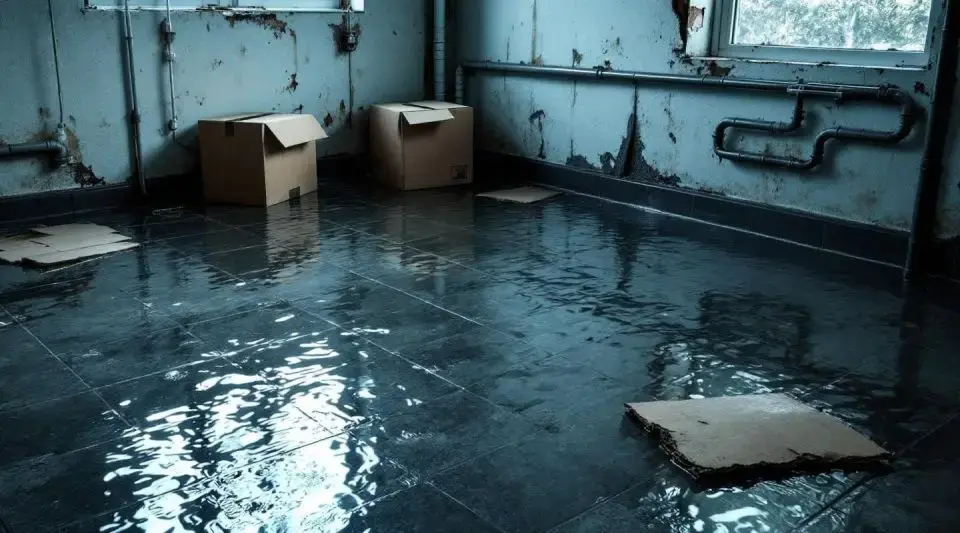
Basement Flood Cleanup
Walking down your stairs only to hear the splash of water against your boots is a nightmare no homeowner in Augusta wants to face.
View Service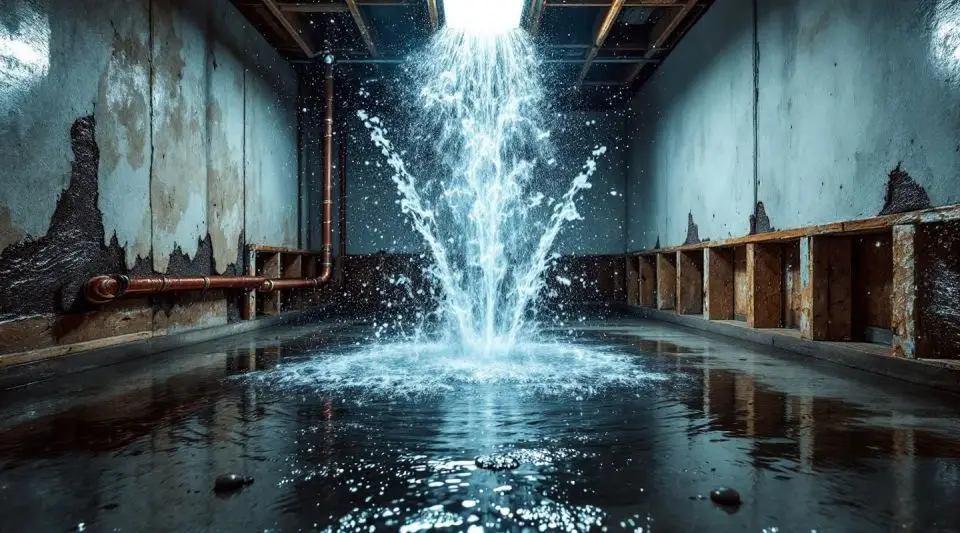
Burst Pipe Water Damage
When a copper line fails behind your laundry room wall or a frozen pipe finally gives way during a rare Augusta hard freeze, the sound of rushing water is enough to make any homeowner’s heart sink.
View Service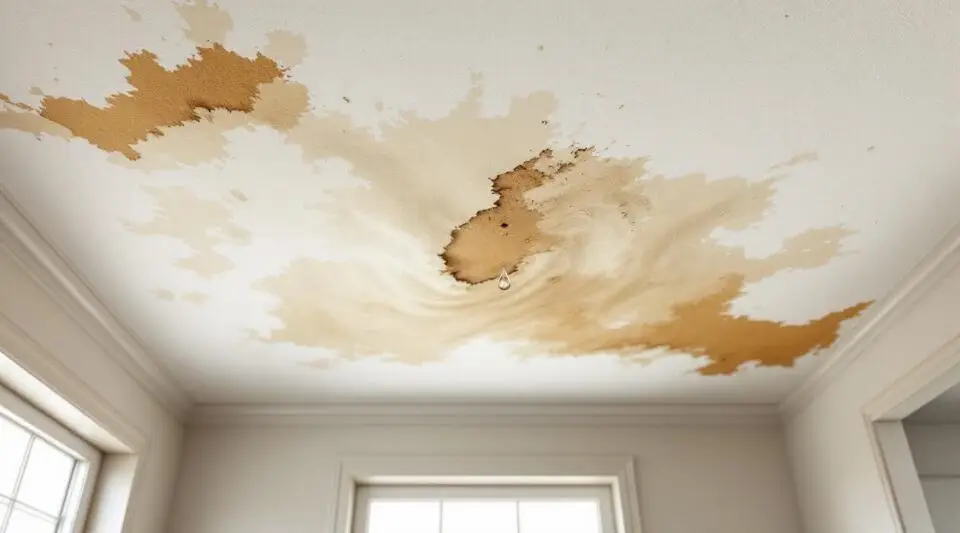
Ceiling Water Damage Repair
Finding a dark, tea-colored stain on your ceiling or noticing a sudden bulge in the drywall is more than just a cosmetic eyesore for Augusta homeowners.
View Service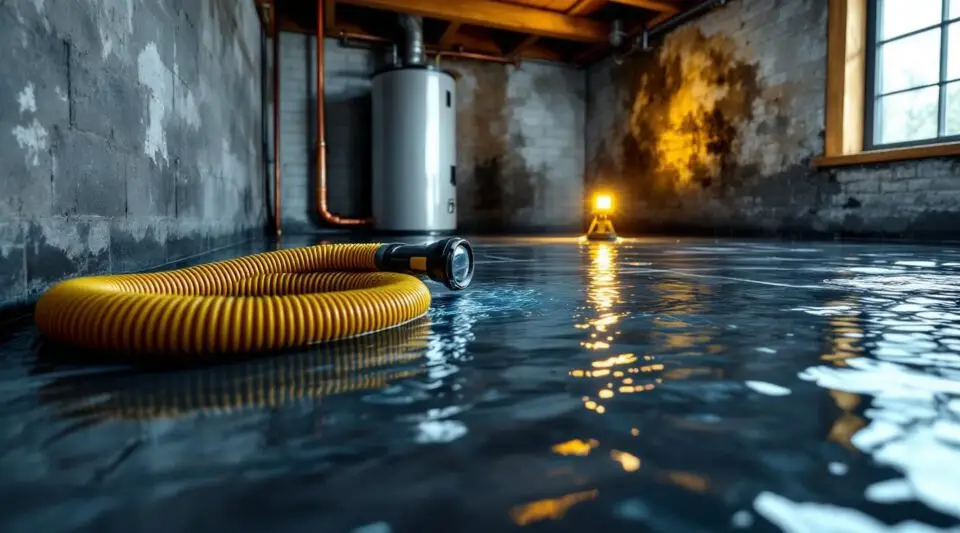
Home Water Removal Services
When a pipe bursts or a heavy CSRA thunderstorm pushes water through your foundation, the clock starts ticking against your home’s structural integrity.
View Service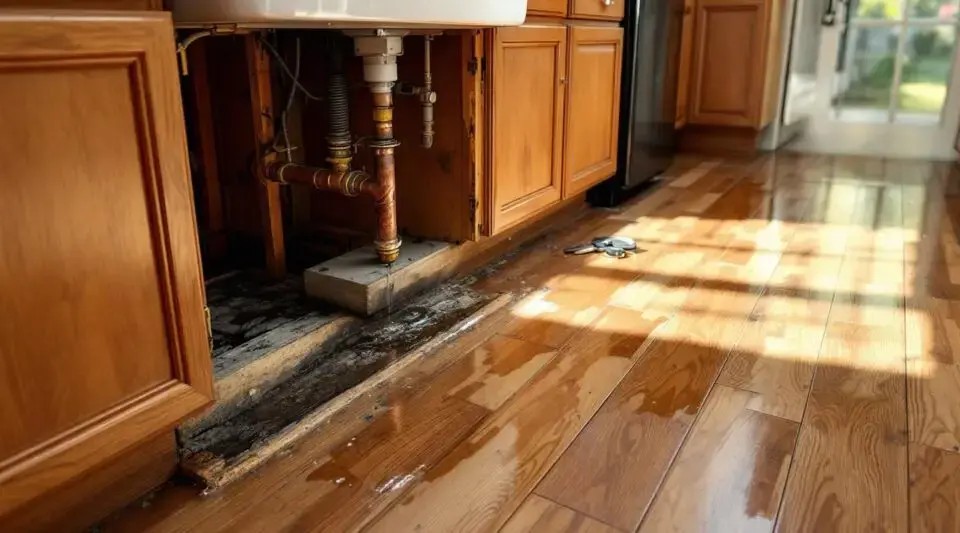
Residential Flood Restoration
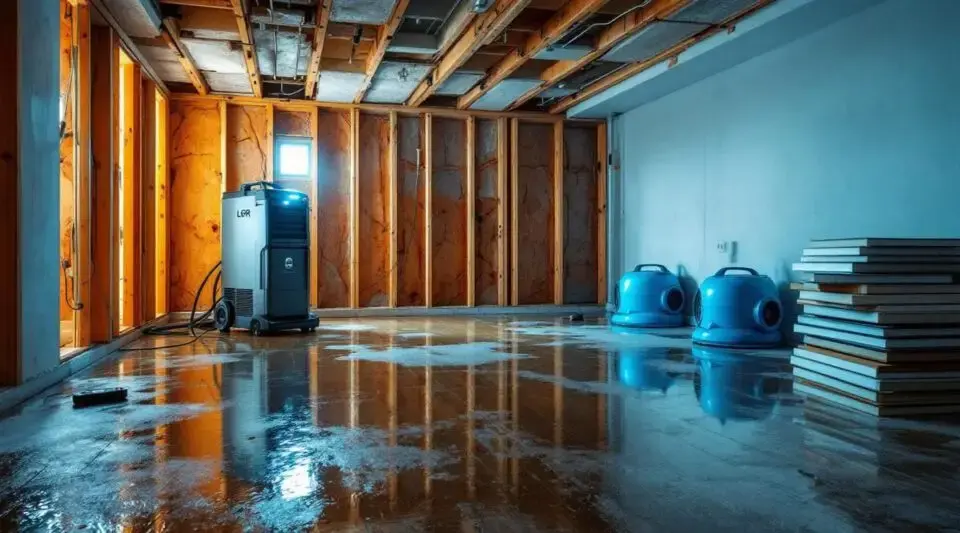
When a flash flood or a sudden pipe burst sends water rushing into your living room, the clock starts ticking immediately.
View Service
Sewage Backup Cleanup
Our expert team provides immediate, 24/7 sewage backup cleanup in San Diego to safely remove biohazards and restore your home to a healthy, odor-free environment.
View ServiceStop the Damage Before it Spreads through Your Augusta Home
Don't let a small leak turn into a major mold problem. Our Augusta-based emergency response team is standing by to handle everything from immediate water extraction to advanced structural drying. Every hour you wait allows moisture to migrate deeper into your subfloors and wall cavities, which is why our experienced technicians prioritize a fast, documented arrival to stabilize your property.
We use precision moisture mapping to ensure no hidden pockets of dampness are left behind to cause secondary damage. Whether you are dealing with a burst pipe in Summerville or a flooded basement near the river, we provide the clear documentation and drying logs your insurance adjuster needs to move your claim forward without the typical headaches.
What They Say About Us:
The team did a fantastic job managing the flood damage from extraction all the way through the final repairs. They handled every step of the process near National Hills with impressive skill and professionalism.
Lauren
Professional Emergency Water Damage Repair and Complete Flood RestorationI was truly impressed by their systematic approach to moisture detection and mold prevention after the initial repairs were finished. Their attention to detail ensured our home in Summerville stayed dry and safe from any future issues.
Fernando
Expert Emergency Water Damage Repair and Thorough Mold PreventionThe crew arrived quickly to handle the water extraction and drying process after our sump pump failed. They did an excellent job restoring our property near the Augusta Riverwalk to its original condition.
Charlotte
Rapid Emergency Water Damage Repair Following a Sump Pump FailureThe technicians were incredibly polite and took great care while removing damaged materials and beginning the structural drying. We appreciated their cautious approach while working on our building in the Forest Hills area.
Lori
Careful Emergency Water Damage Repair and Debris Removal ServicesAfter a pipe burst in my kitchen, the team arrived sooner than expected and immediately began the thorough drying process. They carefully monitored the moisture levels behind my walls and under the floors for several days to ensure my Montclair home was completely safe.
Juanita
Reliable Emergency Water Damage Repair for a Burst Kitchen Pipe