Commercial Water Damage Restoration Augusta, GA
Minimizing Business Interruption with Professional Structural Drying
When a main water line ruptures on the upper floor of an office complex or a flash flood hits a warehouse near the Savannah River, the clock starts ticking against your bottom line. Commercial water damage restoration isn't just about sucking up puddles; it’s a high-stakes race to prevent Category 3 water intrusion from compromising your building envelope and triggering a massive mold event. In the humid climate of Augusta, moisture doesn't just sit—it migrates deep into drywall, insulation, and subfloors, often remaining hidden until the smell of microbial growth becomes impossible to ignore.
You need more than a cleanup crew; you need a partner who understands the IICRC S500 standard and the nuances of business interruption mitigation. Our experienced technicians arrive on-site to perform immediate moisture mapping, identifying exactly where the water traveled using thermal imaging and penetrative moisture meters. This scientific approach ensures we aren't guessing at the dry-out time. We provide the detailed loss documentation your insurance carrier requires, including daily psychrometric readings that prove the environment is returning to a safe, dry state.
Large-scale facilities require specialized tools that typical residential setups simply cannot match. We deploy commercial desiccant dehumidification and high-volume air movers specifically designed for open-floor environments and multi-story structures. Whether it’s a fire suppression system discharge or a sewage backup, we establish containment barriers to keep your unaffected zones operational. Protecting Augusta commercial properties means working around your schedule to minimize employee disruption while ensuring the structural drying protocol is followed to the letter.
We handle the heavy lifting of third-party billing and scope of loss reports so you can focus on running your business. From the first hour of extraction to the final building envelope assessment, our goal is to stabilize the environment before secondary damage can escalate the costs. We don't just dry the space; we protect your investment against the long-term risks of structural rot and indoor air quality issues that can lead to future liability.
Our licensed operators handle commercial water damage restoration with upfront pricing, fully insured equipment, and 24/7 availability throughout Augusta, GA.
Commercial Water Damage Restoration Augusta, GA
Scientific Drying to Protect Your Business Continuity
When a supply line snaps in an Augusta office building or a warehouse near the Savannah River takes on stormwater, the clock isn't just ticking on your drywall—it's ticking on your revenue. Professional intervention is primarily about business interruption mitigation. We understand that every hour your facility is offline represents a compounding financial loss and potential lease complications. By deploying high-capacity commercial extraction equipment immediately, we stabilize the environment to prevent category 3 water intrusion from turning a manageable cleanup into a total facility shutdown. Our crew prioritizes the setup of containment barriers to keep your unaffected zones operational while we work, ensuring your staff and customers remain shielded from cross-contamination and safety hazards.
We strictly adhere to the IICRC S500 standard, treating restoration as a science rather than a cleaning task. This involves rigorous moisture mapping and daily psychrometric readings to track exactly how water has migrated into wall cavities or beneath commercial-grade flooring. In Augusta’s humid climate, standard fans aren't enough; we often use commercial desiccant dehumidification to pull moisture from the air at a rate that prevents secondary mold growth. This level of detail is critical for your insurance carrier. We provide a comprehensive scope of loss report and detailed loss documentation that streamlines the claims process. If you want to know more about how our team manages these high-stakes environments, you will find that our focus on technical precision is what keeps your long-term liabilities low.
-
Rapid mobilization of large-loss response teams to minimize operational downtime.
-
Precision moisture mapping to identify hidden water pockets behind commercial finishes.
-
Deployment of commercial desiccant dehumidification for rapid structural drying.
-
Detailed loss documentation and third-party billing support for insurance coordination.
-
Strategic containment barriers to allow partial business operations during restoration.
-
Strict adherence to IICRC S500 protocols to ensure a safe, mold-free environment.
Commercial Water Damage Restoration Augusta, GA
Why Choose Reclaimed Restorations LLC for Commercial Water Damage Restoration
Reclaimed Restorations LLC combines local knowledge, modern equipment, and honest communication for every commercial water damage restoration call.
Expert Moisture Mapping
We use infrared thermography and penetrating meters to find water trapped in building envelopes or under commercial-grade flooring before it triggers a mold outbreak.
Large-Loss Capability
Our fleet is equipped with commercial desiccant dehumidification units and high-volume extraction tools capable of handling multi-floor floods or massive warehouse intrusions.
Insurance-Ready Documentation
We provide detailed loss documentation and psychrometric readings that your adjuster needs to process the claim quickly, reducing out-of-pocket friction for your procurement team.
Minimized Operational Impact
We coordinate with facility managers to set up containment barriers, allowing your essential operations to continue in unaffected areas while we work.
Commercial Water Damage Restoration Augusta, GA
Commercial Restoration Intelligence
Commercial Water Damage Restoration Augusta, GA
The Critical Nature of Commercial Water Damage Restoration
Ignoring a pipe burst or roof leak in a commercial setting isn't just a maintenance headache; it’s a direct threat to your bottom line. In the humid climate of Augusta, the clock starts ticking the second water touches your flooring or drywall. Within 48 hours, stagnant moisture can trigger mold colonization that complicates a simple dry-out into a massive remediation project. We follow the IICRC S500 standard to ensure every action taken—from initial water extraction to the final check—protects your property from secondary damage. If you manage a retail space or office, you know that every hour your doors are closed is revenue lost. Our large-loss response is designed to stabilize the environment quickly, using commercial desiccant dehumidification to pull moisture from the air before it can saturate your building’s structural components.
Professional restoration matters because what you can’t see will eventually cost you the most. Surface-level drying often leaves pockets of moisture trapped behind containment barriers or under heavy-duty commercial carpeting. Our experienced technicians use advanced moisture mapping to track the migration of water through subfloors and wall cavities. This data isn't just for our crews; it forms the backbone of the loss documentation required by your insurance carrier. Without precise psychrometric readings and a clear structural drying protocol, you risk having your claim underpaid or denied later. We provide the line-item transparency your procurement team needs, ensuring the scope of loss report matches the reality of the damage.
The stakes are even higher when dealing with category 3 water intrusion, such as sewage backups or storm surges from the Savannah River. These scenarios involve significant pathogens that require more than just fans and towels. They demand full PPE protocols and specialized antimicrobial treatments to make the space safe for your employees and tenants again. A building envelope assessment is often necessary to ensure the integrity of the structure hasn't been compromised by the weight or duration of the flood. By prioritizing a professional response, you prevent the kind of long-term business interruption that can lead to lease violations or permanent loss of inventory. We focus on getting your facility back to pre-loss condition while navigating the specific regulatory requirements of Richmond County.
Our Services
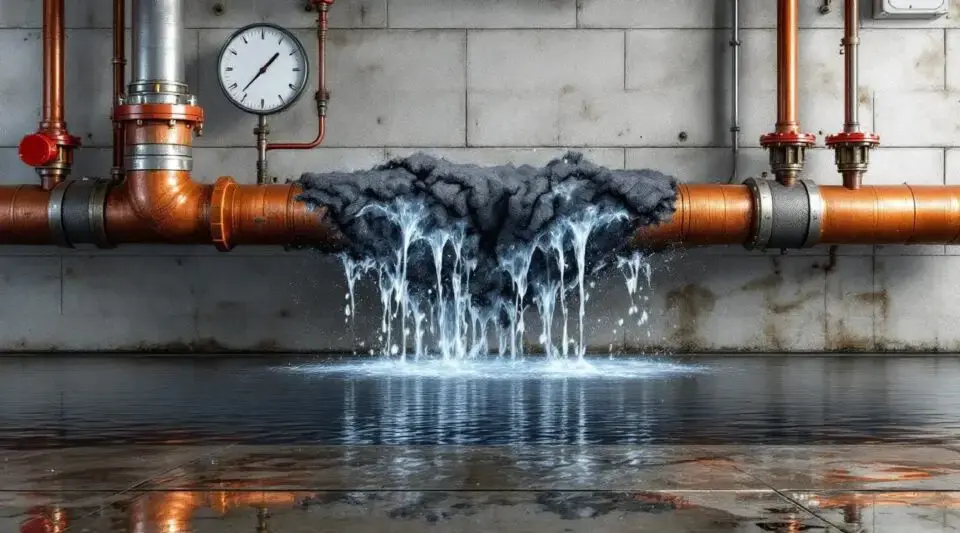
Commercial Pipe Burst Repair
When a pressurized line failure occurs in a multi-story office or a retail storefront, the volume of water released is staggering.
View Service
Hotel Water Damage Restoration
When a pipe bursts on the fourth floor of a busy hotel, the clock doesn't just tick; it drains your bottom line.
View Service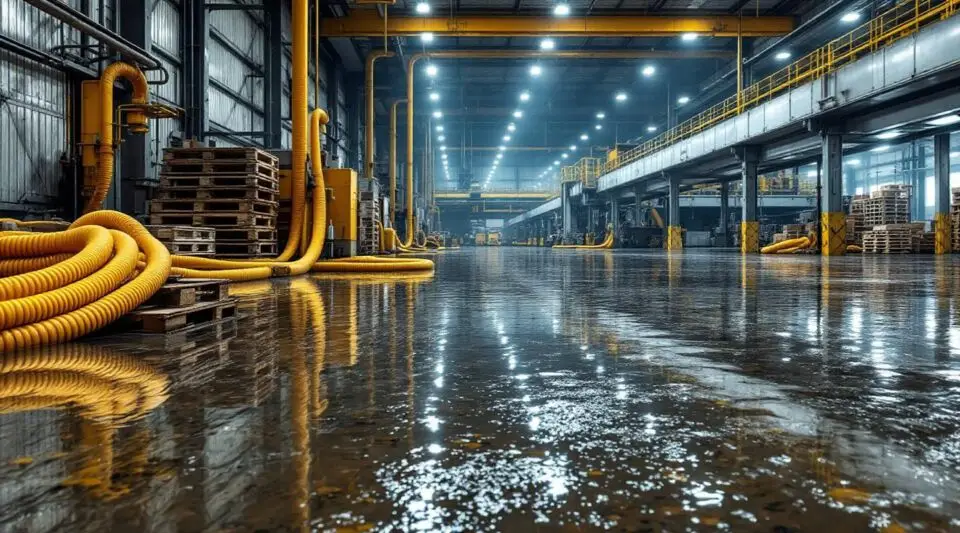
Industrial Flood Cleanup
When a water main bursts or a flash flood hits the Savannah River watershed, your industrial facility doesn’t just face a mess—it faces a full-scale operational crisis.
View Service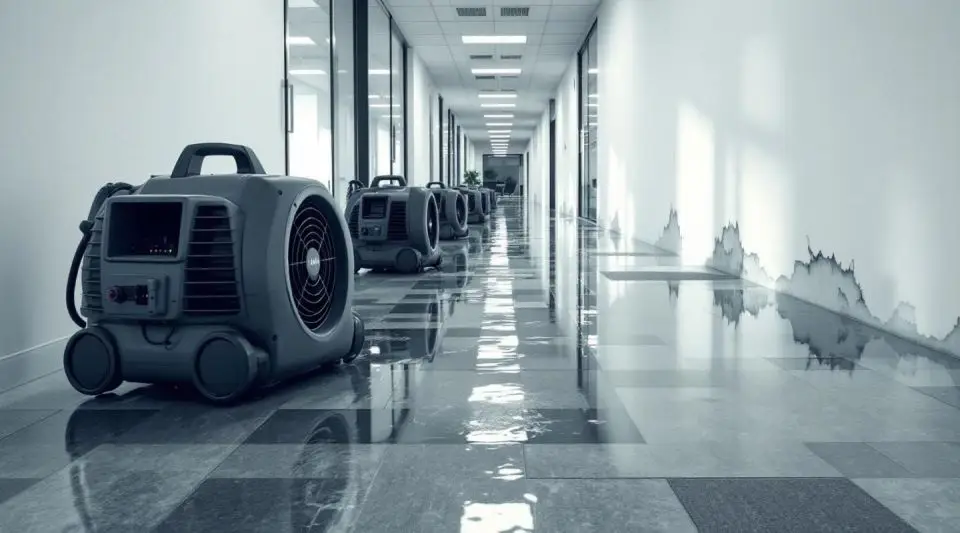
Office Building Flood Repair
When a water main bursts on the fourth floor or a flash flood from the Savannah River basin breaches your building envelope, the clock starts ticking against your subfloors and drywall.
View Service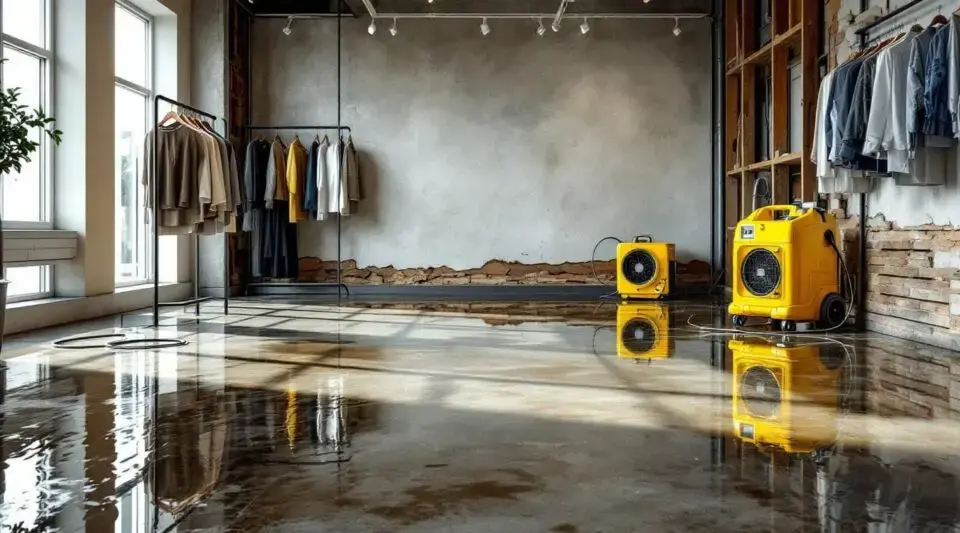
Retail Store Flood Recovery
Walking into your Augusta retail space to find standing water is an immediate threat to your bottom line.
View Service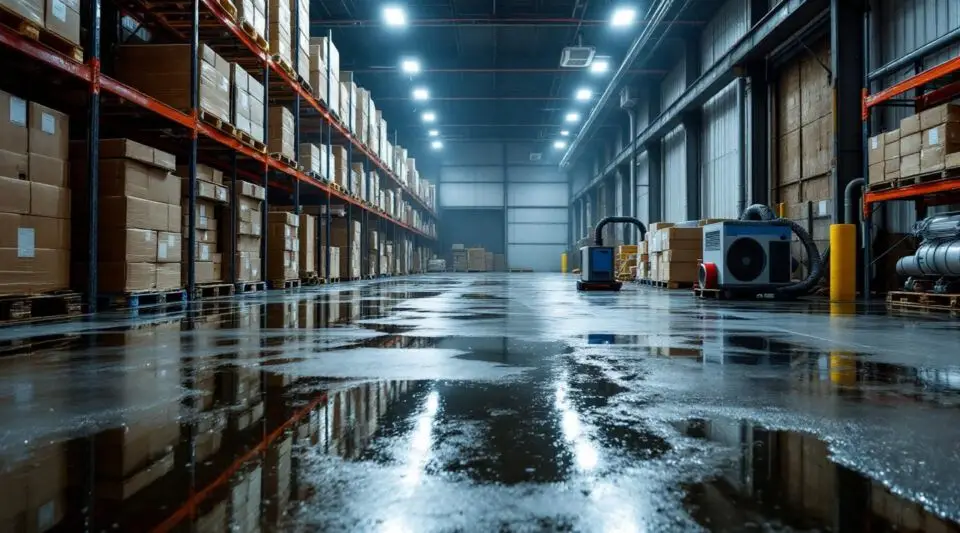
Warehouse Water Damage Cleanup
When a storm surge or a fire suppression failure hits your Augusta warehouse, the clock starts ticking against your inventory and your structural integrity.
View Service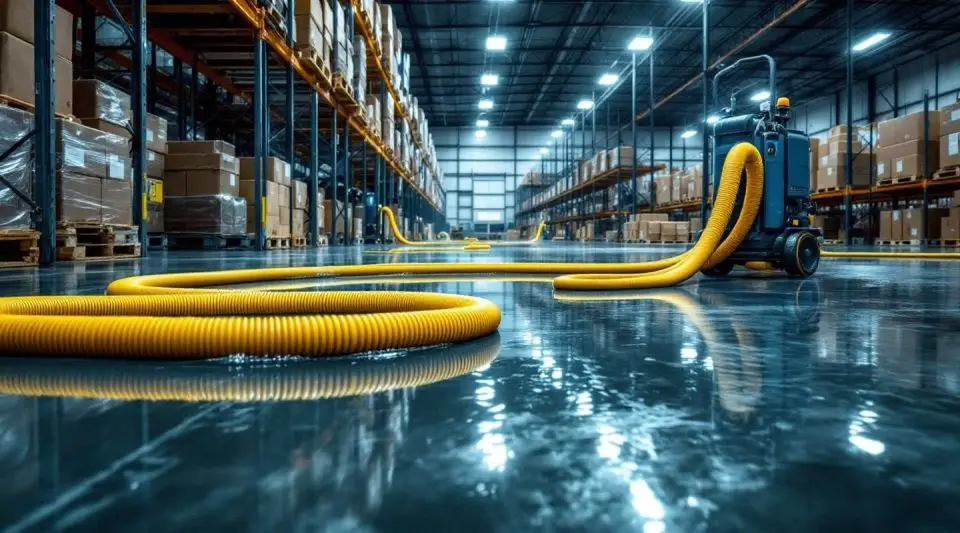
Warehouse Water Extraction
When a pipe bursts or a flash flood hits a commercial facility in the Central Savannah River Area, every minute of standing water translates to lost revenue and compromised structural integrity.
View ServiceProtect Your Augusta Facility from Long-Term Water Damage
Don't let a water intrusion event turn into a long-term structural or financial crisis for your business. Whether you are dealing with a burst pipe in a multi-tenant office or a category 3 water intrusion from a Savannah River flood event, our crew provides the large-loss response needed to stabilize your property. We focus on business interruption mitigation to get your doors back open while following the IICRC S500 standard for every square foot we dry.
Our experienced technicians in Augusta understand that every hour of downtime is a hit to your bottom line. We provide the moisture mapping and loss documentation your insurance carrier requires, ensuring the recovery process is as transparent as it is effective. Reach out now to secure a team that prioritizes your operational continuity.
What They Say About Us:
The team did an incredible job addressing the water damage at our facility near the Augusta National Golf Club. I was particularly impressed by their thorough approach to detecting hidden mold and ensuring moisture was completely eliminated.
Fernando
Expert Commercial Water Damage Restoration and Mold PreventionTheir technicians handled the flood damage at our downtown Augusta office with great skill and efficiency. They managed everything from the initial water extraction to the final structural repairs seamlessly.
Lauren
Professional Commercial Water Damage Restoration and Flood RepairsWhen a pipe burst and threatened our property in Summerville, this crew arrived much faster than we anticipated to start the drying process. They were extremely diligent about checking behind walls and monitored the site for three days until everything was perfectly dry.
Juanita
Fast Response for Commercial Water Damage Restoration ServicesAfter our sump pump failed near the Savannah River, this crew performed an excellent job of extracting the water and drying out the space. Their prompt action saved our inventory and got our operations back on track quickly.
Charlotte
Reliable Sump Pump Failure and Water Removal ServicesThe workers were very polite as they carefully removed damaged materials and began the drying process in our building. We appreciated their professional conduct while working on our property in the Harrisonville area.
Lori
Careful Commercial Water Damage Restoration and Debris Removal