Basement Flood Cleanup Augusta, GA
Rapid Water Extraction and Structural Drying for Your Home
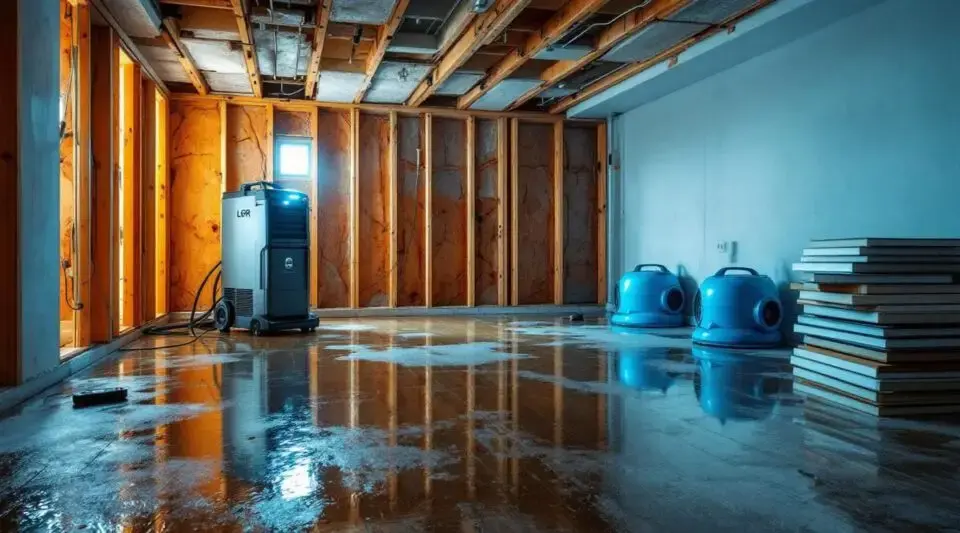
Walking down your stairs only to hear the splash of water against your boots is a nightmare no homeowner in Augusta wants to face. Whether it’s a sudden sump pump failure during a heavy summer thunderstorm or foundation seepage caused by the dense clay soils common in the Savannah River basin, standing water in your basement is a ticking clock. You aren't just dealing with a mess; you are dealing with a structural threat that requires immediate, professional intervention to prevent long-term damage to your home’s foundation and indoor air quality.
In our region, the high ambient humidity means that "just letting it air out" is never a viable strategy. Without professional-grade dehumidification and high-volume air movers, moisture remains trapped in concrete block wicking and floor joists, creating the perfect breeding ground for mold. We strictly follow the IICRC S500 standard for professional water damage restoration, ensuring that every gallon of category 3 water or groundwater is removed safely and thoroughly. Our experienced technicians use high-capacity submersible pump extraction to clear the bulk of the floodwater before moving into the critical structural drying phase.
We don't just guess where the water went. Our crew uses advanced moisture mapping and thermal imaging moisture detection to find hidden pockets of dampness behind finished drywall and under flooring that the naked eye simply cannot see. This precision prevents the dreaded "musty basement" smell from becoming a permanent fixture in your home. By identifying exactly where hydrostatic pressure forced water through your foundation cracks, we can create a targeted drying plan that saves as much of your finished basement material as possible, reducing the need for costly demolition.
Time is your biggest enemy when a basement floods. Within 24 to 48 hours, mold spores can begin to colonize damp organic materials like paper-faced drywall and wooden baseboards. Our team prioritizes rapid response across the Augusta metro area to stop secondary damage in its tracks. We handle the heavy lifting—from the initial pack-out of your personal belongings to the final application of antimicrobial treatments—so you can focus on getting your household back to normal while we secure the structural integrity of your property.
Our licensed operators handle basement flood cleanup with upfront pricing, fully insured equipment, and 24/7 availability throughout Augusta, GA.
Basement Flood Cleanup Augusta, GA
Why Immediate Professional Intervention Saves Your Augusta Home
When your basement takes on water, the clock starts ticking against your foundation. In Augusta, our heavy clay soils do not drain quickly, which means hydrostatic pressure builds up against your walls, often forcing groundwater through tiny cracks or causing a total sump pump failure during a heavy summer storm. Professional cleanup is not just about sucking up the puddles with a basic pump; it is about stopping the concrete block wicking that pulls moisture deep into your home's skeleton. If you ignore that hidden dampness, you are inviting efflorescence and structural rot that a simple household fan cannot fix.
Our approach follows the IICRC S500 standard to ensure every square inch of your subfloor and wall cavity is actually dry, not just dry to the touch. We use thermal imaging moisture detection to find the water that traveled behind your baseboards or under your vapor barrier. By establishing negative air pressure drying environments, our team prevents the humid Augusta air from fueling mold growth in other parts of your house. This level of precision protects your property value and ensures that a temporary flood does not become a permanent health hazard for your family.
-
Rapid submersible pump extraction to stop rising water levels and prevent foundation seepage.
-
Advanced dehumidification to combat Augusta's high ambient humidity and prevent secondary mold growth.
-
Detailed moisture mapping to identify hidden pockets of sewage intrusion or groundwater behind finished walls.
-
Professional antimicrobial treatments to neutralize Category 3 water risks and protect your family's health.
-
Comprehensive insurance documentation including moisture readings to simplify your claims process with local adjusters.
Basement Flood Cleanup Augusta, GA
Why Choose Reclaimed Restorations LLC for Basement Flood Cleanup
Reclaimed Restorations LLC combines local knowledge, modern equipment, and honest communication for every basement flood cleanup call.
Rapid Response to Sump Pump Failure
We prioritize emergency calls in the CSRA to prevent mold from taking hold within the critical 24-to-48-hour window.
Advanced Moisture Mapping
Our crew uses thermal imaging to detect hidden wicking in concrete blocks and wall cavities that standard meters often overlook.
Insurance Coordination
We provide the detailed documentation and scope writing required by adjusters to help streamline your claim for groundwater or pipe burst damage.
IICRC Certified Standards
Every cleanup follows the strict IICRC S500 guidelines, ensuring your basement is structurally dry and safe for your family.
Basement Flood Cleanup Augusta, GA
Basement Flood Cleanup Questions
Basement Flood Cleanup Augusta, GA
Basement Flood Cleanup in Augusta
You might think a few inches of water in your Augusta basement is just a heavy-duty weekend cleanup project, but the clock starts the moment the first gallon enters. Our local clay soils hold onto moisture longer than sandy regions, creating massive hydrostatic pressure that forces groundwater through foundation cracks and floor seams. Within 24 to 48 hours, that damp environment becomes an active breeding ground for mold. If the intrusion involves sewage intrusion or storm runoff, you are dealing with Category 3 water, which carries pathogens that require professional-grade antimicrobial treatment to make the space safe for your family again.
Ignoring the early signs like efflorescence—that white, powdery salt appearing on your walls—often leads to severe concrete block wicking. Water does not just sit on the floor; it travels upward into your wall cavities and floor joists through capillary action. Without experienced technicians using thermal imaging moisture detection, you might dry the surface while leaving the structural skeleton of your home saturated. This hidden moisture eventually rots wood and compromises the integrity of your entire foundation, turning a manageable cleanup into a structural nightmare.
Proper Basement Flood Cleanup in Augusta requires more than just a shop vac and a few household fans. We use submersible pump extraction to clear the bulk volume, but the real science is in the dehumidification phase. Because Augusta’s ambient humidity is naturally high, we must create negative air pressure drying environments to pull deep-seated moisture out of porous materials. Missing this step often results in a permanent musty odor that no amount of air freshener can mask, signaling that active fungal growth is occurring behind your vapor barrier or under your flooring.
Beyond the immediate health risks, professional restoration is about protecting your property value and navigating the insurance maze. We follow the IICRC S500 standard to ensure every step is documented, which is vital when dealing with adjusters who need proof of moisture mapping and drying logs. Whether it is a simple sump pump failure or a major foundation seepage event, having our company handle the mitigation ensures your home remains a healthy, functional asset rather than a long-term liability.
Our Services
Burst Pipe Water Damage
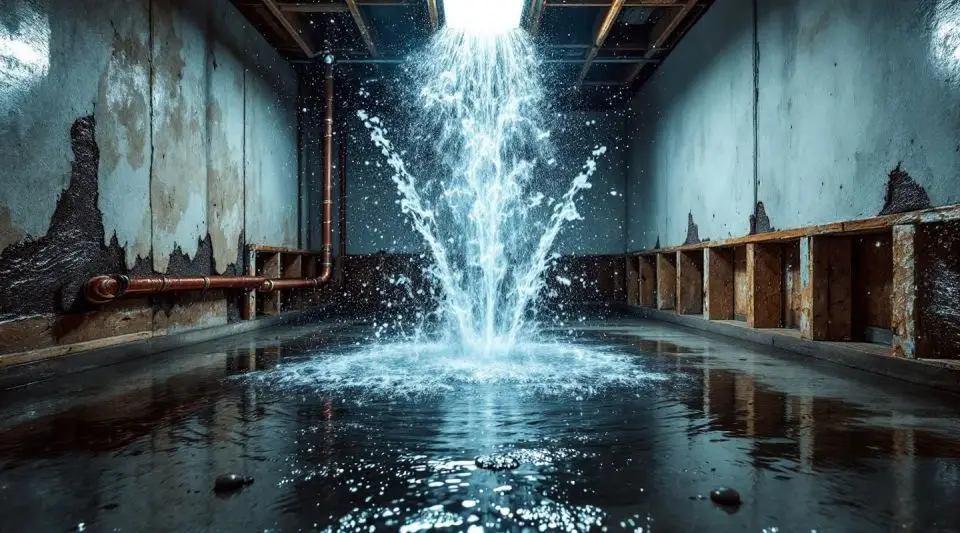
When a copper line fails behind your laundry room wall or a frozen pipe finally gives way during a rare Augusta hard freeze, the sound of rushing water is enough to make any homeowner’s heart sink.
View Service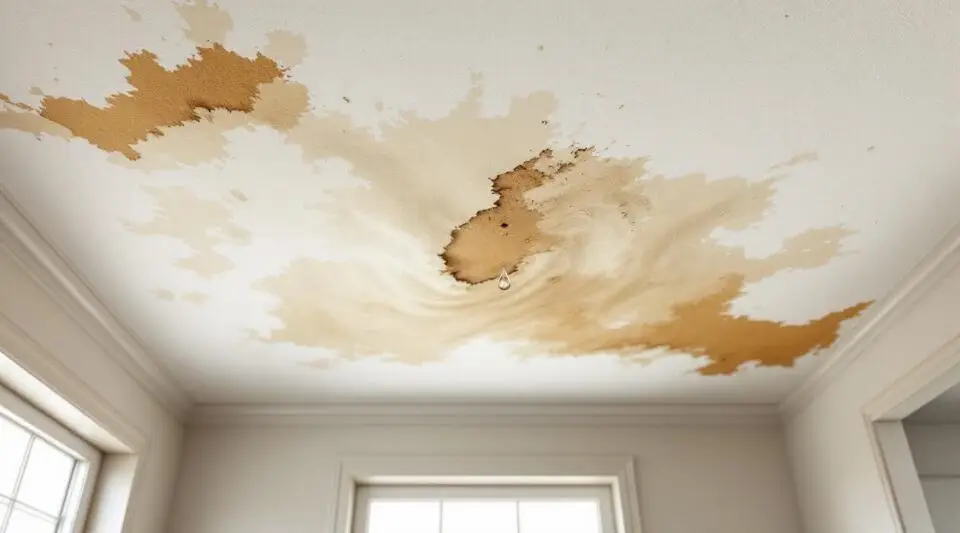
Ceiling Water Damage Repair
Finding a dark, tea-colored stain on your ceiling or noticing a sudden bulge in the drywall is more than just a cosmetic eyesore for Augusta homeowners.
View Service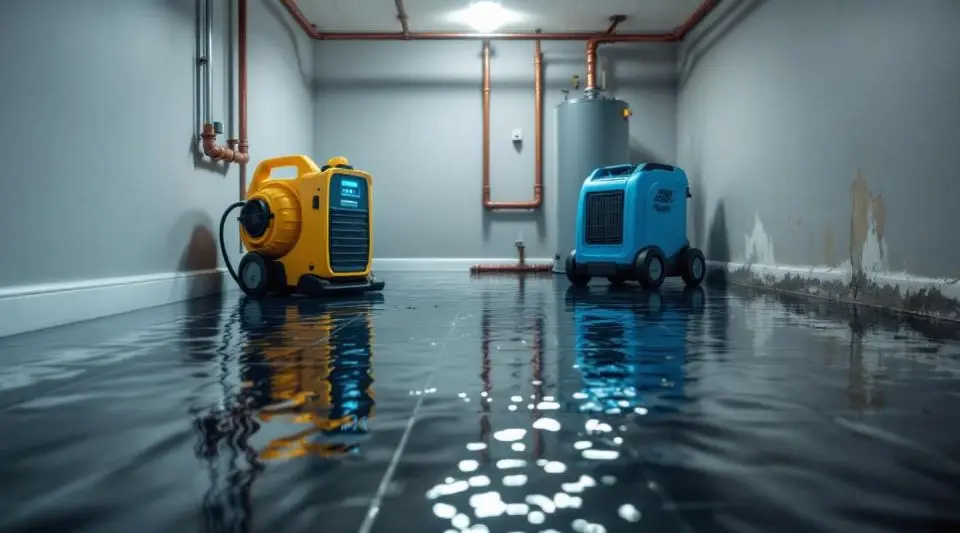
Emergency Water Damage Repair
When a supply line snaps behind your washing machine or a flash flood sends water creeping into your crawl space, the clock starts ticking immediately.
View Service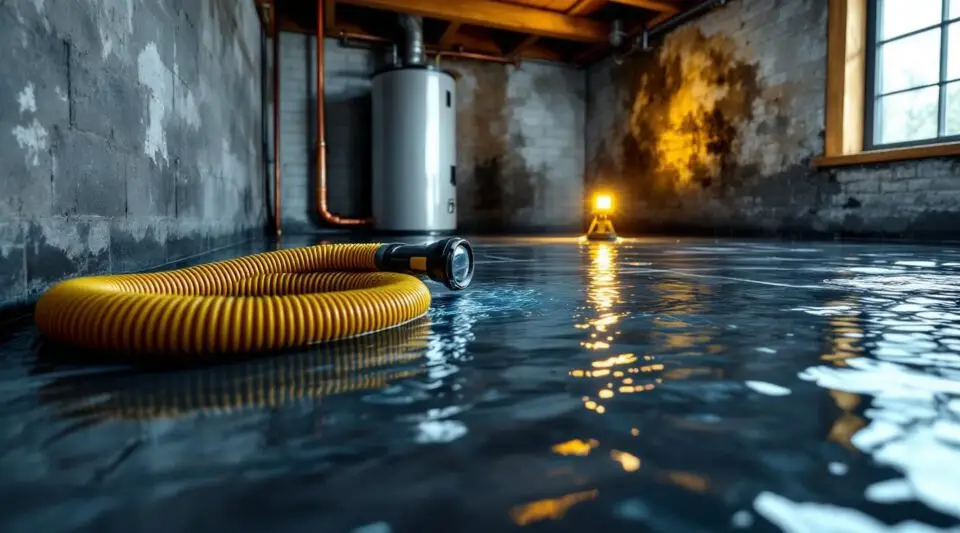
Home Water Removal Services
When a pipe bursts or a heavy CSRA thunderstorm pushes water through your foundation, the clock starts ticking against your home’s structural integrity.
View Service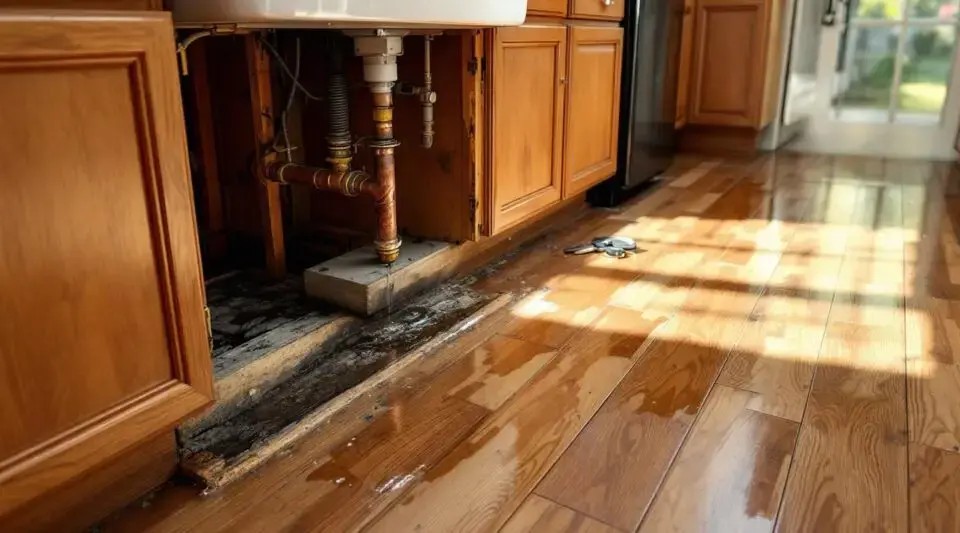
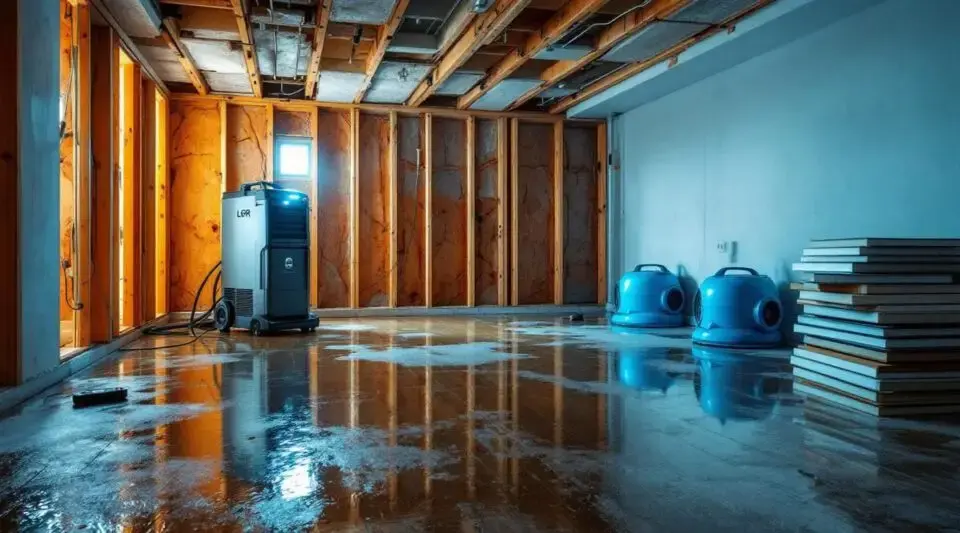
Residential Flood Restoration
When a flash flood or a sudden pipe burst sends water rushing into your living room, the clock starts ticking immediately.
View Service
Sewage Backup Cleanup
Our expert team provides immediate, 24/7 sewage backup cleanup in San Diego to safely remove biohazards and restore your home to a healthy, odor-free environment.
View ServiceProtect Your Foundation From Lasting Water Damage
You cannot afford to wait when hydrostatic pressure is forcing groundwater through your foundation walls or a sump pump failure leaves your basement submerged. Every hour of delay allows moisture to wick into floor joists and drywall, creating the perfect environment for mold to thrive in Augusta’s humid climate. Our experienced technicians respond quickly to perform professional water extraction and begin the structural drying process before secondary damage takes hold.
We use precision moisture mapping to ensure no hidden pockets of dampness remain behind your concrete blocks or under flooring. Whether you are facing a clean water pipe burst or a messy sewage intrusion, Reclaimed Restorations LLC provides the documented proof of drying your insurance adjuster requires. Call us now to get a crew on-site and reclaim your home's lower level.
What They Say About Us:
The crew was incredibly polite while carefully removing damaged items from my property near the Augusta National Golf Club. They worked efficiently to start the drying process and ensure the building was stabilized.
Lori
Professional Basement Flood Cleanup and Debris Removal in AugustaI was impressed by their thorough approach to finding mold and keeping moisture out of my home in Summerville. After they finished the water damage repairs, the results were truly amazing.
Fernando
Expert Water Damage Restoration and Mold Prevention ServicesThese workers did a fantastic job handling everything from the initial water extraction to the final repairs. My home near the Savannah River was back to normal quickly thanks to their expert flood damage services.
Lauren
Comprehensive Basement Flood Cleanup and Water Damage RepairsWhen my sump pump failed, this crew did an excellent job of removing the water and drying out the space. They arrived at my West Augusta home and handled the entire cleanup process with great care.
Charlotte
Efficient Basement Flood Cleanup After a Sump Pump FailureAfter a pipe burst in my kitchen, the team arrived at my home near the Medical District faster than expected to begin the water removal. They were very thorough in checking behind walls and monitored the progress for three days until everything was safe and dry.
Juanita
Rapid Response for Kitchen Pipe Burst and Basement Flood Cleanup