Industrial Flood Cleanup Augusta, GA
Rapid Large-Loss Recovery for Manufacturing and Warehouse Facilities
When a water main bursts or a flash flood hits the Savannah River watershed, your industrial facility doesn’t just face a mess—it faces a full-scale operational crisis. Industrial flood cleanup requires a level of scale and speed that standard residential services simply cannot match. In a warehouse or manufacturing environment, standing water isn't just a slip hazard; it's a threat to inventory, heavy machinery, and the structural integrity of your concrete slabs. We focus on rapid bulk water removal to stop the migration of moisture before it reaches sensitive electrical systems or finished goods.
Our approach to industrial water extraction involves more than just pumping out the visible puddles. We use thermal imaging moisture detection to find where water has seeped into wall cavities and under heavy equipment. In the humid climate of Augusta, Category 3 water intrusion—which often follows storm-driven flooding—carries significant biohazard risks. This requires rigorous decontamination protocols to ensure your facility remains OSHA-compliant and safe for your workforce. We don't just dry the space; we stabilize the environment to prevent the secondary damage that often follows a large-loss event.
To handle the massive cubic footage of a typical industrial site, we deploy high-capacity desiccant dehumidification units. These aren't your standard portable units; they are designed to pull thousands of pints of moisture from the air, creating the vapor pressure necessary to draw deep-seated dampness out of porous materials. This is critical for concrete slab drying, where trapped moisture can cause floor coatings to fail months after the initial event. By controlling the psychrometrics of the entire building, we can often keep unaffected zones of your facility operational while we work.
Every hour of facility downtime translates to lost revenue and potential contract penalties. That is why our team prioritizes a phased recovery plan that aligns with your production schedule. We provide the detailed moisture mapping and structural moisture readings your insurance adjuster needs to process a large-loss claim without the usual friction. Our goal is to move you from the initial chaos of a flood back to full production capacity with documented proof that your facility is dry, safe, and structurally sound.
Our licensed operators handle industrial flood cleanup with upfront pricing, fully insured equipment, and 24/7 availability throughout Augusta, GA.
Industrial Flood Cleanup Augusta, GA
Protecting Your Operations with Large-Loss Drying Expertise
The primary benefit of professional commercial flood remediation is the protection of your facility's long-term operational viability. When the Savannah River rises or a heavy summer storm overwhelms your loading docks in Augusta, the clock starts ticking on your inventory and machinery. We do not just pump out water; we execute a precision-targeted industrial water extraction plan designed to achieve facility downtime mitigation. By focusing on rapid bulk water removal and immediate moisture mapping, we help you avoid the cascading costs of halted production lines and missed shipping deadlines that often follow a major Category 3 water intrusion.
Beyond the surface, the real value lies in how we handle structural moisture readings and large-loss drying. In a typical warehouse flood response, water seeps into porous concrete and behind wall assemblies. If you do not use high-capacity desiccant dehumidification, that moisture stays trapped, eventually causing floor failures or mold. Our experienced technicians use thermal imaging moisture detection to ensure your concrete slab drying is complete before you move equipment back into place. This level of technical rigor prevents the hidden structural rot that can trigger OSHA concerns or future insurance liability in Richmond County.
-
Rapid bulk water removal to prevent machinery corrosion and inventory loss.
-
Strategic moisture mapping to document the full scope of Category 3 water intrusion for insurance.
-
High-capacity desiccant dehumidification to pull deep-seated moisture from concrete slabs.
-
Deployment of industrial air movers to accelerate structural drying in large-scale facilities.
-
Thermal imaging moisture detection to identify hidden pockets of water behind industrial racking.
-
Detailed moisture logs and drying reports to support your commercial property insurance claim.
Industrial Flood Cleanup Augusta, GA
Why Choose Reclaimed Restorations LLC for Industrial Flood Cleanup
Reclaimed Restorations LLC combines local knowledge, modern equipment, and honest communication for every industrial flood cleanup call.
Rapid Industrial Water Extraction
We deploy high-volume pumps and industrial air movers to clear bulk water from manufacturing floors and loading docks immediately.
Advanced Desiccant Dehumidification
Our team uses large-scale desiccant units to pull deep-seated moisture from porous materials that standard equipment misses.
Insurance-Ready Documentation
We provide detailed structural moisture readings and moisture logs, making the reimbursement process straightforward for your adjuster.
Contaminated Water Protocols
We follow strict OSHA guidelines for handling Category 3 sewage or chemical-laden floodwater to ensure facility safety.
Industrial Flood Cleanup Augusta, GA
Common Questions Regarding Industrial Flood Cleanup
Industrial Flood Cleanup Augusta, GA
Industrial Flood Cleanup in Augusta
Ignoring the complexities of an industrial flood can lead to catastrophic facility failures months after the initial event. In Augusta, where the Savannah River watershed and heavy summer storms from June through September create high-risk conditions, a flooded warehouse isn't just a mess—it's a liability. If you leave standing water in a manufacturing plant, you aren't just dealing with a wet floor; you're inviting Category 3 water intrusion to compromise your inventory and sensitive machinery. Without rapid industrial water extraction, the porous materials in your facility begin to absorb contaminants that are nearly impossible to remove once they have set.
One of the most overlooked aspects of commercial flood remediation is the hidden behavior of concrete. You might think a slab is dry because the surface looks clear, but moisture mapping often reveals deep saturation that will eventually trigger mold growth or ruin expensive floor coatings. We use structural moisture readings to verify that the core of your building is actually stable. Failing to address concrete slab drying properly can lead to persistent odors and structural degradation that might even catch the attention of OSHA inspectors during a routine audit. Proper bulk water removal is only the first step in a much more technical process.
Time is your most expensive enemy during a large-loss event. Every hour your loading dock is underwater or your production line is halted, you are losing revenue and potentially facing contract penalties. Our approach focuses on facility downtime mitigation, using desiccant dehumidification to pull moisture from the air faster than standard units ever could. By documenting every step according to the IICRC S500 Standard, our team ensures you have the moisture logs and chain-of-custody reports required to justify your insurance claim to an adjuster. We know that in a commercial setting, a slow response is just as damaging as the water itself.
Our Services
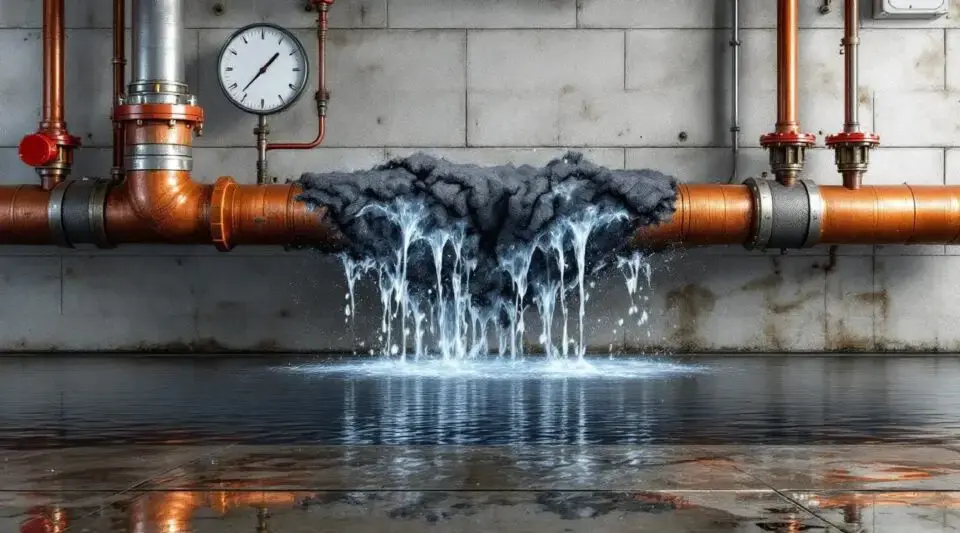
Commercial Pipe Burst Repair
When a pressurized line failure occurs in a multi-story office or a retail storefront, the volume of water released is staggering.
View Service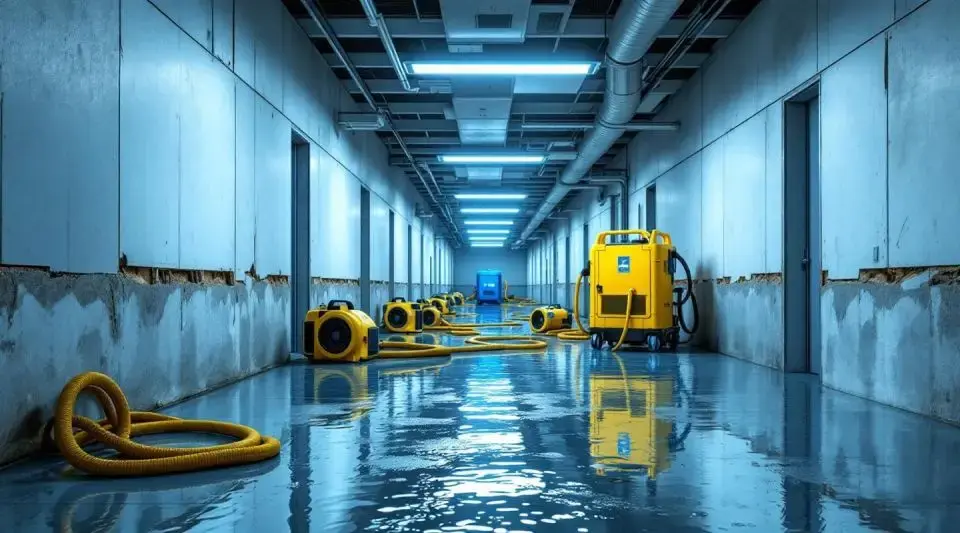
Commercial Water Damage Restoration
When a main water line ruptures on the upper floor of an office complex or a flash flood hits a warehouse near the Savannah River, the clock starts ticking against your bottom line.
View Service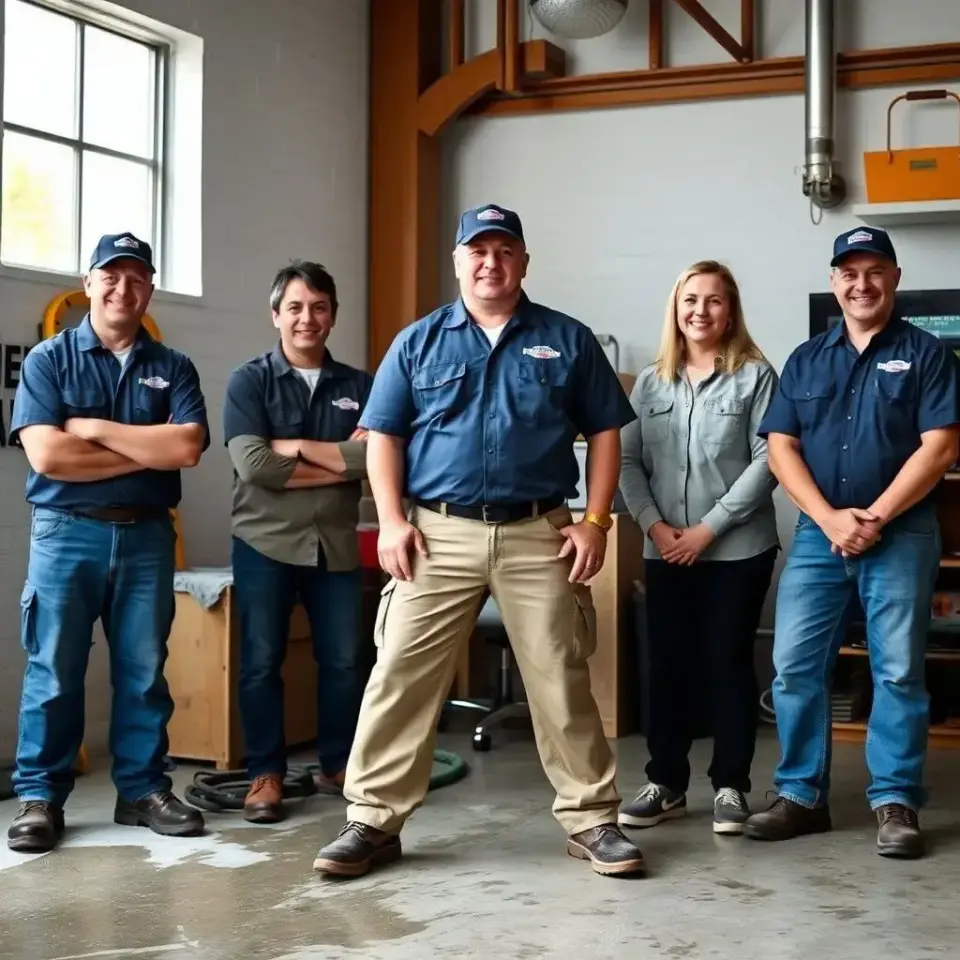
Hotel Water Damage Restoration
When a pipe bursts on the fourth floor of a busy hotel, the clock doesn't just tick; it drains your bottom line.
View Service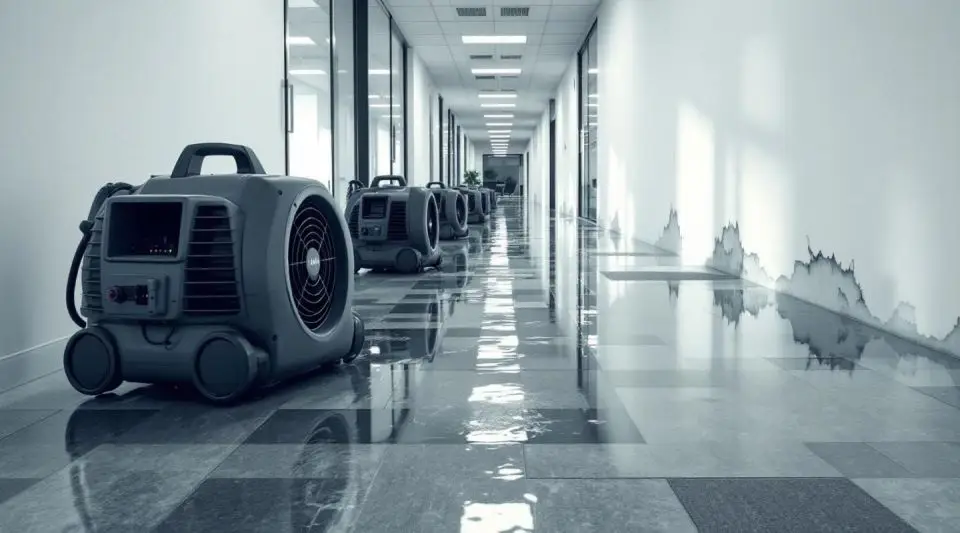
Office Building Flood Repair
When a water main bursts on the fourth floor or a flash flood from the Savannah River basin breaches your building envelope, the clock starts ticking against your subfloors and drywall.
View Service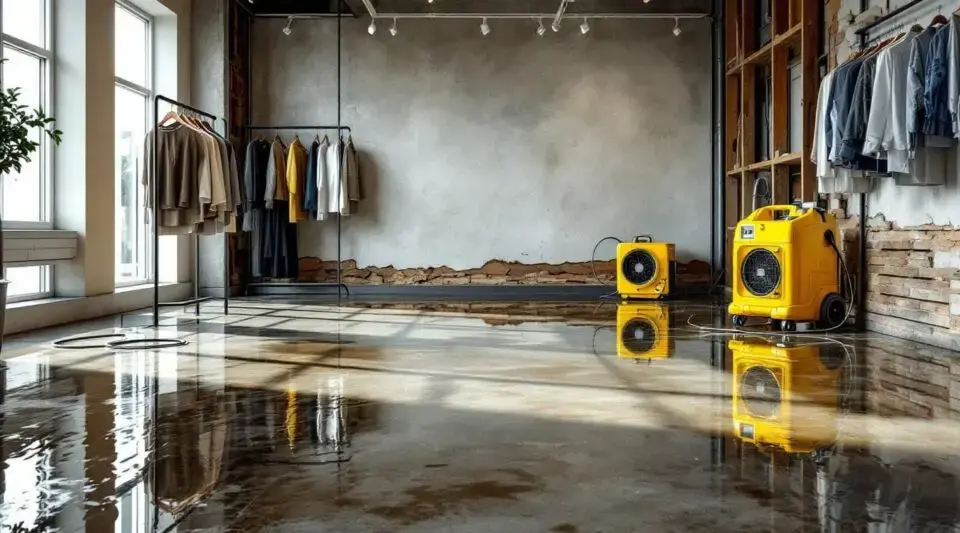
Retail Store Flood Recovery
Walking into your Augusta retail space to find standing water is an immediate threat to your bottom line.
View Service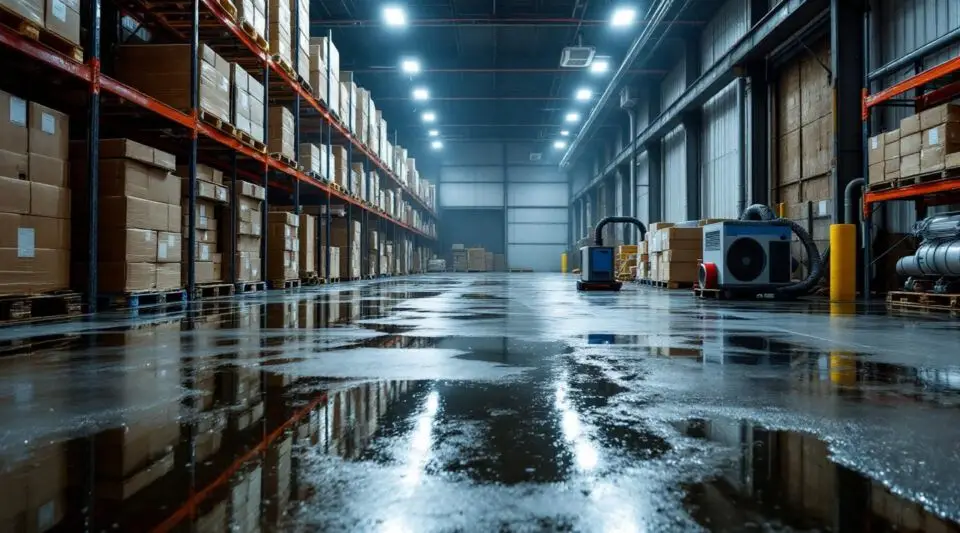
Warehouse Water Damage Cleanup
When a storm surge or a fire suppression failure hits your Augusta warehouse, the clock starts ticking against your inventory and your structural integrity.
View Service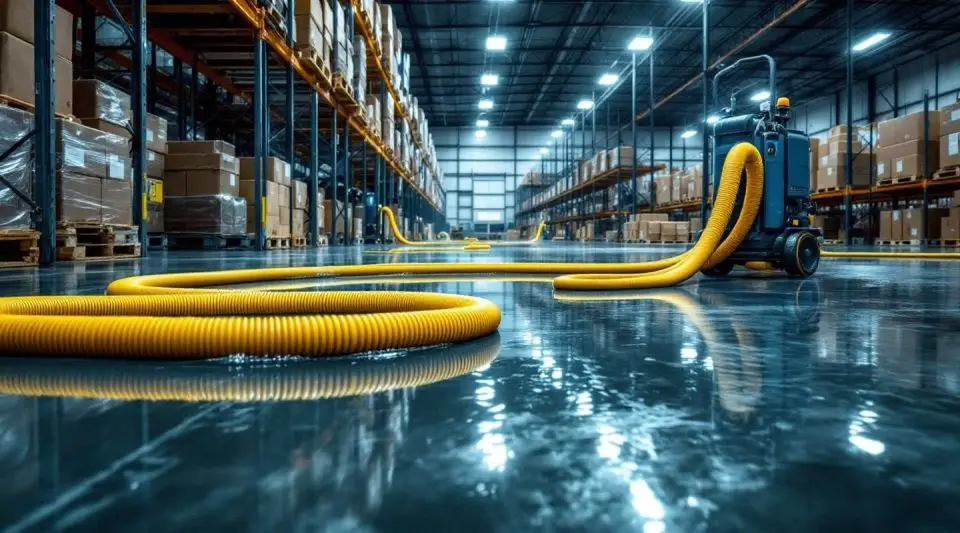
Warehouse Water Extraction
When a pipe bursts or a flash flood hits a commercial facility in the Central Savannah River Area, every minute of standing water translates to lost revenue and compromised structural integrity.
View ServiceProtect Your Facility and Resume Operations in Augusta
Don't let a flood event turn into a permanent loss for your business. When thousands of gallons of water hit your manufacturing floor or warehouse, every hour of standing liquid increases the risk of structural failure and secondary damage. You need a team that understands facility downtime mitigation isn't just a goal—it's the difference between hitting your production schedule and facing heavy contract penalties. We prioritize rapid bulk water removal to stabilize the environment before moisture can migrate into sensitive machinery or inventory.
Our crew handles the heavy lifting of large-loss drying, using high-capacity desiccant dehumidification to pull deep-seated moisture from concrete slabs and masonry. We provide the rigorous moisture mapping and daily logs your insurance adjuster requires to justify the claim. If you are currently facing a Category 3 intrusion or a massive pipe burst, contact our Augusta team immediately to deploy the specialized equipment needed to save your property.
What They Say About Us:
The team did an incredible job restoring our facility near the Augusta Riverwalk after the recent water damage. I was particularly impressed by their thorough approach to detecting mold and ensuring all moisture was completely removed.
Fernando
Professional Industrial Flood Cleanup and Mold Prevention in AugustaThe crew was extremely polite and handled the removal of damaged materials from our Summerville property with great care. They worked efficiently to begin the drying process and protect the structural integrity of the building.
Lori
Careful Industrial Flood Cleanup and Debris Removal ServicesAfter our sump pump failed, their crew arrived quickly to handle the water extraction and drying near Phinizy Swamp. They performed an excellent job getting everything back to normal and ensuring the area was completely dry.
Charlotte
Efficient Water Removal and Industrial Flood Cleanup After Sump FailureFrom the initial water extraction to the final repairs, the workers were fantastic at managing every stage of the flood restoration. They made a stressful situation much easier to handle for our business located near the Medical District.
Lauren
Comprehensive Industrial Flood Cleanup and Structural Repairs in AugustaWhen a pipe burst and flooded our space near National Hills, the team arrived much faster than expected to begin the extraction. They were incredibly thorough while checking behind walls and monitored the drying process for three days until everything was safe.
Juanita
Rapid Response Industrial Flood Cleanup for Burst Pipe Emergencies