Warehouse Water Damage Cleanup Augusta, GA
Rapid Structural Drying and Inventory Loss Mitigation for Richmond County Facilities
When a storm surge or a fire suppression failure hits your Augusta warehouse, the clock starts ticking against your inventory and your structural integrity. Standing water on a concrete slab isn't just a slip hazard; it’s a direct threat to your business continuity. We understand that in a high-throughput environment, every hour your loading dock is out of commission represents a ripple effect of lost revenue across your entire supply chain. Our crew specializes in rapid response to flooding in Augusta, arriving with the heavy-duty gear required to handle square footage that would quickly overwhelm a residential-focused restoration company.
Effective Warehouse Water Damage Cleanup requires more than just sucking up surface water. We follow the IICRC S500 standard for professional restoration, which begins with comprehensive moisture mapping. Using thermal imaging inspection tools, we identify exactly where Category 3 water intrusion has migrated behind racking systems or into office partitions. In the humid climate of the Central Savannah River Area, simply opening the bay doors won't cut it. We deploy high-capacity desiccant dehumidification and industrial air movers to pull deep-seated moisture out of the building's bones before mold can take hold in your wall cavities.
Concrete slab drying is one of the most overlooked aspects of industrial recovery. Because concrete is porous, it can hold onto moisture for weeks, eventually causing floor coatings to fail or mold to bloom under stored pallets. Our technicians use specialized moisture probes to ensure the facility is truly dry, not just "dry to the touch." We coordinate closely with your operations directors to stage equipment in a way that allows for partial facility use whenever possible. We know you need to keep the trucks moving, so we focus on a surgical approach to structural drying that prioritizes your most critical operational zones and electrical panels first.
Navigating the aftermath of a pipe burst or roof leak also means managing the complex paperwork for your commercial property insurance. We provide the itemized drying logs and psychrometric reports that adjusters in Richmond County require to process claims without unnecessary friction. By documenting every stage of the commercial water extraction process, we help you mitigate inventory loss and prove that the building has been returned to a safe, dry state. You aren't just getting a cleanup crew; you’re getting a partner who understands the high stakes of Georgia industrial property management and the necessity of a fast return to normal operations.
Our licensed operators handle warehouse water damage cleanup with upfront pricing, fully insured equipment, and 24/7 availability throughout Augusta, GA.
Warehouse Water Damage Cleanup Augusta, GA
Protecting Your Inventory and Operations in Augusta
The primary goal of our Warehouse Water Damage Cleanup is to keep your doors open and your inventory dry. When a pipe bursts or the Savannah River basin sends flash flooding into your loading dock, the clock starts ticking. In a high-volume warehouse environment, standing water isn't just a slip hazard. It's a direct threat to your structural integrity and your ability to fulfill orders. Our experienced technicians focus on rapid commercial water extraction to stabilize the environment before moisture wicks into palletized goods or compromises expensive racking systems. We understand that in Augusta, the high humidity can turn a minor leak into a major mold event within 48 hours. That is why we use industrial drying equipment specifically sized for large-format square footage.
We don't just suck up the puddles and leave. Our crew uses moisture mapping and thermal imaging to find water that has migrated under concrete slabs or inside wall cavities. By following the IICRC S500 standard, we ensure that every phase of the structural drying process is documented for your insurance carrier. This level of detail is what differentiates a professional restoration crew from a general janitorial service. We use large-scale desiccant dehumidification to pull moisture from the air, preventing the secondary damage that often plagues industrial spaces after a flood. Whether you are managing a fleet facility or a distribution hub, we work to minimize your operational downtime and protect your bottom line.
-
Immediate inventory loss mitigation to salvage palletized goods and raw materials.
-
Deep structural drying of concrete slabs to prevent long-term moisture wicking and floor failures.
-
Comprehensive moisture mapping and thermal imaging to identify hidden water migration paths.
-
Full documentation including psychrometric logs and drying reports for insurance claim accuracy.
-
Strategic equipment placement that allows for partial facility operation during the restoration process.
Warehouse Water Damage Cleanup Augusta, GA
Why Choose Reclaimed Restorations LLC for Warehouse Water Damage Cleanup
Reclaimed Restorations LLC combines local knowledge, modern equipment, and honest communication for every warehouse water damage cleanup call.
Industrial-Scale Drying Power
We use large-format desiccant dehumidification units designed specifically to pull moisture from vast open spaces and deep within concrete slabs.
Inventory Loss Mitigation
Our team prioritizes the protection of your stock, using thermal imaging to identify hidden moisture before it ruins palletized goods or racking systems.
Comprehensive Documentation
We provide detailed moisture logs and drying reports that align with commercial insurance requirements, simplifying the claims process for your procurement team.
Minimal Operational Disruption
We stage our equipment to allow for partial facility use whenever possible, keeping your loading docks and aisles clear for essential movement.
Warehouse Water Damage Cleanup Augusta, GA
Common Questions About Warehouse Water Damage Cleanup in Augusta
Warehouse Water Damage Cleanup Augusta, GA
Warehouse Water Damage Cleanup in Augusta
Every hour that water sits on your warehouse floor, the risk to your bottom line increases exponentially. Whether it’s a roof failure during a heavy Savannah River basin storm or a loading dock flooding event, standing water doesn't just damage the building; it threatens your inventory and halts your logistics. You can't afford to let Category 3 water intrusion sit near your racking systems or electrical panels where it creates immediate safety hazards for your staff. We focus on rapid commercial water extraction to ensure your business continuity planning stays on track. If you wait, moisture wicks into cardboard packaging and palletized goods, turning a manageable cleanup into a total inventory loss that could have been avoided.
Many facility managers underestimate how much water a concrete slab can hold. Without professional moisture mapping and thermal imaging inspection, you might think the floor is dry just because the surface puddles are gone. In reality, moisture trapped in the slab can migrate upward for weeks, causing delamination of expensive floor coatings or creating a breeding ground for mold under stored goods. Our team uses industrial drying equipment and desiccant dehumidification to pull deep-seated moisture out of the structure itself. Following the IICRC S500 standard isn't just about following rules; it's about ensuring your facility remains a safe environment for your crew and your fleet operations.
In the high humidity of Augusta, mold prevention protocol must be initiated immediately after a flood. If moisture levels aren't controlled, you’ll face secondary damage that insurance adjusters may not cover if they deem the mitigation was delayed. By hiring experienced technicians who understand warehouse-scale square footage, you protect the long-term value of the property. We provide the itemized drying logs and psychrometric reports your insurance carrier requires to validate the claim. This documentation proves that the structural drying was completed thoroughly, protecting you from future liability or health concerns within the workspace.
Our Services
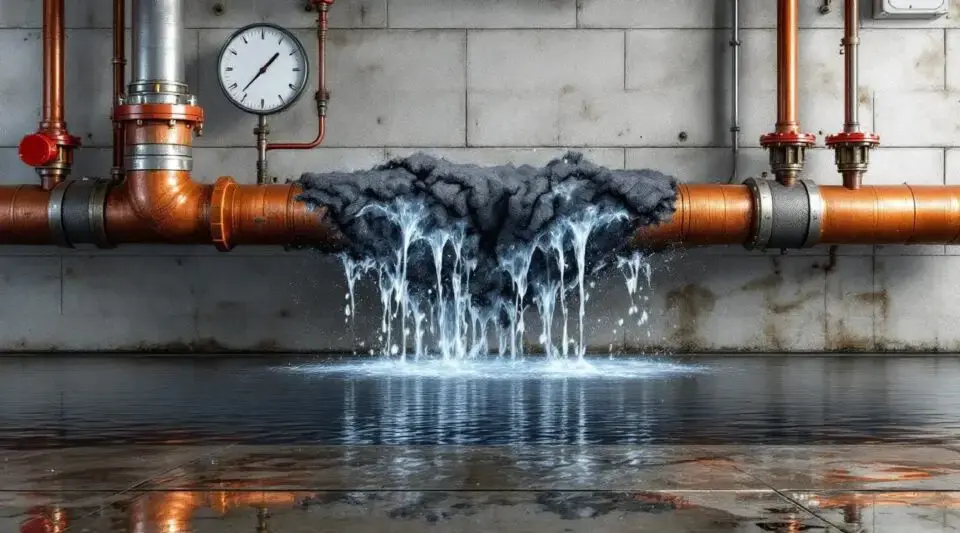
Commercial Pipe Burst Repair
When a pressurized line failure occurs in a multi-story office or a retail storefront, the volume of water released is staggering.
View Service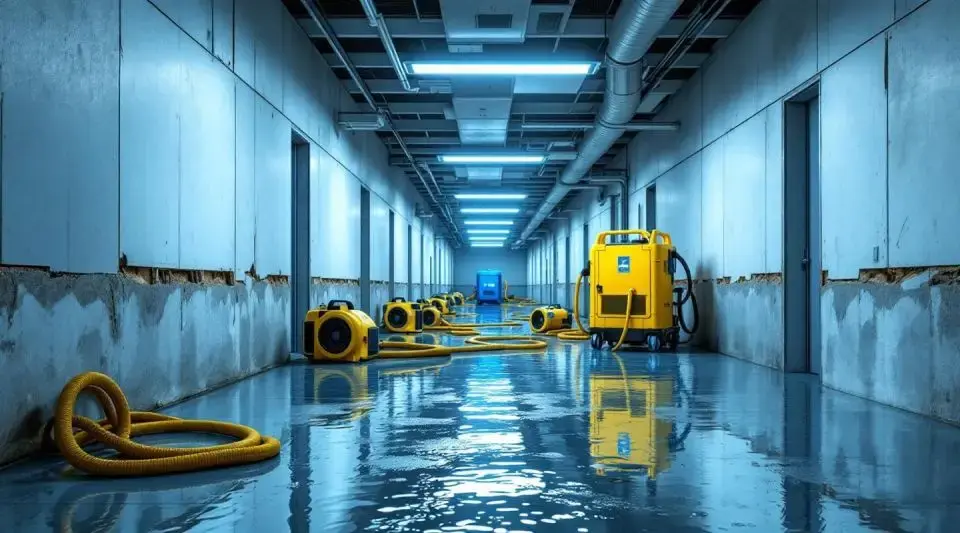
Commercial Water Damage Restoration
When a main water line ruptures on the upper floor of an office complex or a flash flood hits a warehouse near the Savannah River, the clock starts ticking against your bottom line.
View Service
Hotel Water Damage Restoration
When a pipe bursts on the fourth floor of a busy hotel, the clock doesn't just tick; it drains your bottom line.
View Service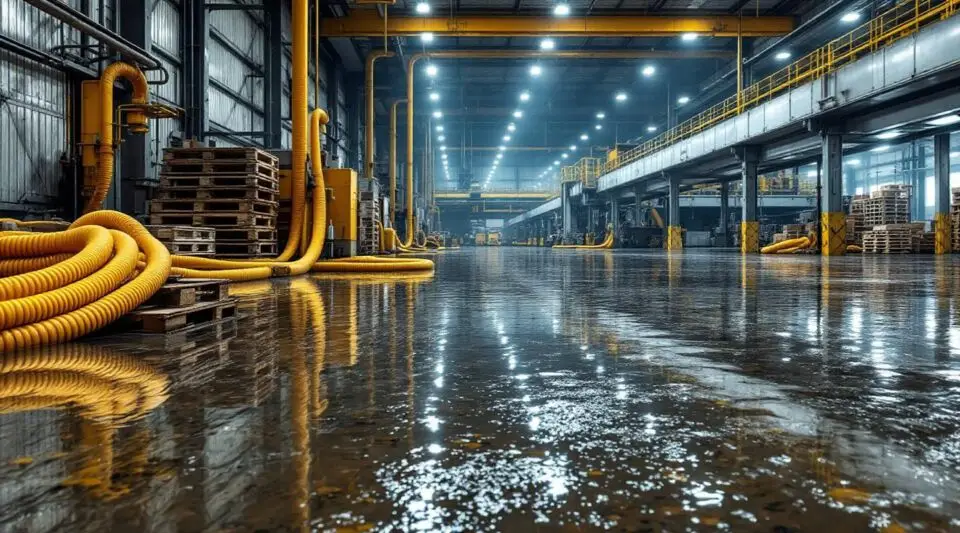
Industrial Flood Cleanup
When a water main bursts or a flash flood hits the Savannah River watershed, your industrial facility doesn’t just face a mess—it faces a full-scale operational crisis.
View Service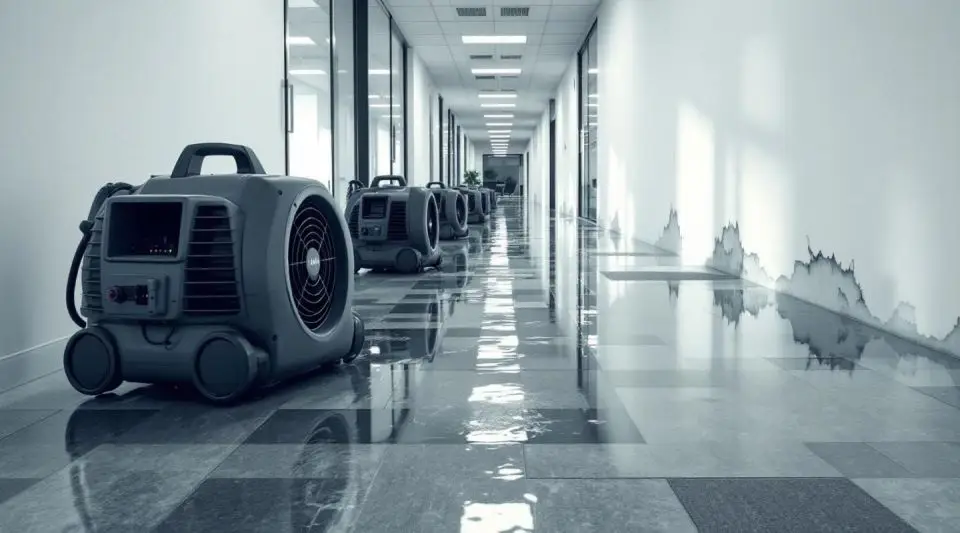
Office Building Flood Repair
When a water main bursts on the fourth floor or a flash flood from the Savannah River basin breaches your building envelope, the clock starts ticking against your subfloors and drywall.
View Service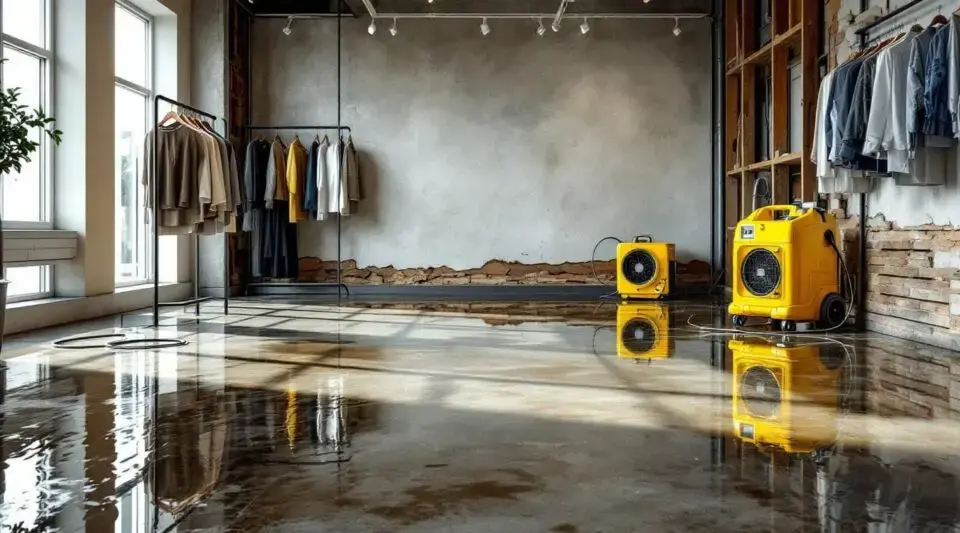
Retail Store Flood Recovery
Walking into your Augusta retail space to find standing water is an immediate threat to your bottom line.
View Service
Warehouse Water Extraction
When a pipe bursts or a flash flood hits a commercial facility in the Central Savannah River Area, every minute of standing water translates to lost revenue and compromised structural integrity.
View ServiceGet Your Augusta Facility Back to Full Capacity Today
Every hour your loading dock remains underwater or your inventory sits in high humidity is an hour of lost revenue and mounting liability. We specialize in Warehouse Water Damage Cleanup in Augusta, focusing on rapid moisture mapping and structural drying to keep your business continuity planning on track. Whether it is a fire suppression overflow or a heavy storm inundating your concrete slab, we have the industrial scale to handle the job.
Don't let a burst pipe or a flash flood shut down your operations for weeks. Our crew is ready to deploy industrial drying equipment and desiccant dehumidification systems to stabilize your facility before inventory loss becomes permanent. Reach out now to get a senior technician on-site for a thermal imaging inspection and a clear path toward full operational recovery.
What They Say About Us:
The team arrived at our facility near the Augusta National Golf Club much faster than expected to handle a major pipe burst. They meticulously monitored the drying process for three days to ensure every hidden area was completely moisture-free and safe.
Juanita
Expert Warehouse Water Damage Cleanup and Drying in AugustaAfter our sump pump failed, this crew did an outstanding job extracting the standing water and drying out the space. We were very impressed with how quickly they restored our storage area near the Savannah River.
Charlotte
Professional Warehouse Water Damage Cleanup After Sump Pump FailureThe technicians were incredibly polite and handled the removal of damaged materials from our Summerville location with great care. They immediately set up equipment to begin the drying process and kept the workspace organized throughout the project.
Lori
Careful Warehouse Water Damage Cleanup and Debris Removal ServicesFrom the initial water extraction to the final repairs, their workers provided excellent service for our flood-damaged property in downtown Augusta. They handled every step of the restoration process with professional skill and efficiency.
Lauren
Comprehensive Warehouse Water Damage Cleanup and Flood Restoration WorkI was amazed by their thorough approach to identifying potential mold risks and keeping moisture out of our building near Phinizy Swamp. Their specialized techniques ensured that our facility remained dry and protected long after the initial cleanup was finished.
Fernando
Thorough Warehouse Water Damage Cleanup and Moisture Prevention Strategy