Office Building Flood Repair Augusta, GA
Protecting Your Assets and Business Continuity After a Major Water Event
When a water main bursts on the fourth floor or a flash flood from the Savannah River basin breaches your building envelope, the clock starts ticking against your subfloors and drywall. In a commercial setting, you aren't just dealing with a mess; you are managing liability, tenant expectations, and potential business interruption losses. Our approach to commercial properties throughout Augusta focuses on immediate stabilization to prevent Category 3 water from turning a localized leak into a building-wide environmental hazard. We understand that every hour your doors are closed represents a hit to your bottom line and a strain on your professional relationships.
Our crew prioritizes business continuity planning by identifying the most critical zones of your operation—like server rooms or executive suites—and tackling them first. We use moisture mapping and thermal imaging inspection to find water that has migrated behind baseboards or into elevator pits, areas often overlooked by general janitorial staff. By pinpointing the exact boundaries of the subfloor saturation, we can often save expensive flooring materials that others would simply rip out and replace. You need a partner who sees the building as a complex system, not just a wet room.
Documentation is the backbone of any successful commercial insurance claim. We don't just dry the building; we provide the psychrometric readings and drying logs your adjuster requires to approve the scope of work. Our team of IICRC certified technicians uses the Xactimate platform to ensure our line-item estimates align with industry standards, reducing the friction between your finance department and the insurance carrier. This level of transparency ensures that you aren't left with unpredictable invoices or gaps in your coverage after the physical work is complete.
Speed in the Georgia heat is non-negotiable. With Augusta’s humid subtropical climate, mold can begin colonizing damp ceiling tiles and wall cavities in as little as 24 hours. We deploy high-capacity desiccant dehumidification and strategic air mover placement to drop the relative humidity in your facility immediately. This aggressive drying protocol protects your structural integrity and ensures your tenants can return to a safe, healthy workspace without the lingering 'musty' smell that signals a failed restoration job.
Our licensed operators handle office building flood repair with upfront pricing, fully insured equipment, and 24/7 availability throughout Augusta, GA.
Office Building Flood Repair Augusta, GA
Prioritizing Business Continuity and Structural Integrity
When a supply line fails or a heavy Central Savannah River Area storm causes a building envelope breach, the impact on your bottom line is immediate. You aren't just looking at wet drywall; you are facing potential tenant displacement mitigation and the risk of long-term vacancy losses. Professional office building flood repair focuses on more than just surface cleanup. We use thermal imaging inspection to track moisture migration through wall cavities and subfloor saturation that the naked eye simply cannot see. By identifying these hidden pockets early, we prevent the structural rot and mold colonization that often follow a botched DIY drying attempt in our humid Georgia climate.
Our approach centers on scientific structural drying and precise psychrometric readings. We don't guess if a room is dry; we prove it with data. By deploying high-capacity desiccant dehumidification and strategic air mover placement, we stabilize the environment to protect sensitive office electronics and hardwood assemblies. This technical rigor is essential for your insurance claim documentation. Our Augusta restoration specialists provide the detailed moisture maps and Xactimate line-item reports your adjuster requires to authorize a full recovery. This level of transparency ensures you aren't left fighting for coverage while your operations remain at a standstill.
-
Rapid commercial water extraction to stop moisture from reaching sensitive server rooms and electrical hubs.
-
Precision moisture mapping using thermal imaging to find water trapped in complex building assemblies.
-
High-capacity desiccant dehumidification to maintain low humidity and prevent secondary mold growth.
-
Comprehensive insurance claim documentation including drying logs and Xactimate line-item estimates.
-
Strategic business continuity planning to allow for partial occupancy and minimal tenant disruption.
-
IICRC certified technicians trained in the ANSI/S500 standard for professional water damage restoration.
Office Building Flood Repair Augusta, GA
Why Choose Reclaimed Restorations LLC for Office Building Flood Repair
Reclaimed Restorations LLC combines local knowledge, modern equipment, and honest communication for every office building flood repair call.
IICRC Certified Expertise
Our team holds specialized certifications in Applied Structural Drying (ASD), ensuring every step follows the ANSI/IICRC S500 standard for professional restoration.
Rapid Mobilization
We provide 24/7 emergency response across Augusta, arriving on-site quickly to stop the spread of water before it reaches server rooms or elevator pits.
Advanced Moisture Mapping
We use thermal imaging and moisture probes to find water trapped behind drywall or under subfloors, preventing future mold growth and liability.
Insurance Liaison Services
We produce detailed Xactimate estimates and comprehensive drying logs to streamline the claims process with your commercial carrier.
Office Building Flood Repair Augusta, GA
Augusta Commercial Restoration Intelligence
Office Building Flood Repair Augusta, GA
Office Building Flood Repair
When an office building in Augusta floods, the clock isn't just ticking on the building materials; it's ticking on your revenue and tenant relationships. You aren't just dealing with wet carpets. You're facing a potential building envelope breach that can compromise structural integrity and lead to expensive tenant displacement mitigation. If you manage a property near the Savannah River or downtown, you know how quickly Georgia’s humidity can turn a minor leak into a mold crisis. We focus on business continuity planning from the first hour, ensuring that your operations don't grind to a halt because of subfloor saturation or damaged server rooms.
Effective restoration requires more than just sucking up standing water. We use thermal imaging inspection and moisture mapping to find the water you can't see—the moisture trapped behind drywall or under raised flooring systems. Without professional structural drying, that hidden moisture becomes a breeding ground for microbial growth within 48 hours. Our experienced technicians use high-capacity desiccant dehumidification and strategic air mover placement to pull moisture from the deep layers of the building. We monitor psychrometric readings daily to prove the building is actually dry, providing the granular data your insurance adjuster needs to approve the claim.
You also have to consider the category of water involved. A clean water pipe burst is one thing, but storm surge or sewage backups involve Category 3 water, which is highly contaminated. In a commercial setting, this creates a massive liability exposure if not handled by an IICRC certified crew. We follow strict ANSI/IICRC S500 standards to ensure the environment is sanitized and safe for employees to return. Proper insurance claim documentation is the final piece of the puzzle. We provide the line-item estimates required to prevent your carrier from denying or reducing your payout. Waiting even a few hours can escalate costs exponentially as secondary damage sets in.
Ultimately, the goal is a rapid return to occupancy. Every day your doors are closed or your tenants are displaced is a day of lost value. By prioritizing commercial water extraction and professional-grade drying protocols, you protect the long-term health of your investment and the safety of everyone who walks through your lobby. Our team understands the local Augusta building codes and the urgency of commercial timelines, ensuring the job is done right the first time.
Our Services
Commercial Pipe Burst Repair
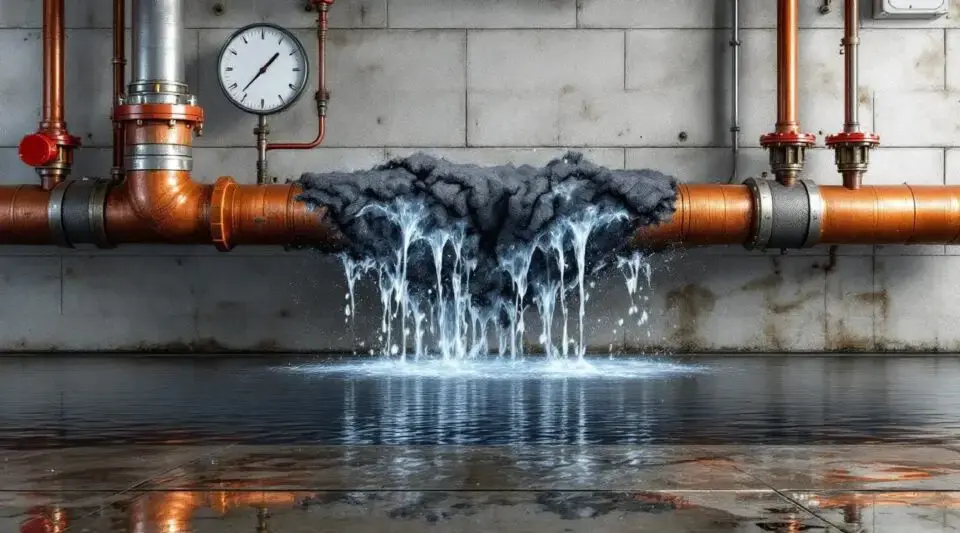
When a pressurized line failure occurs in a multi-story office or a retail storefront, the volume of water released is staggering.
View Service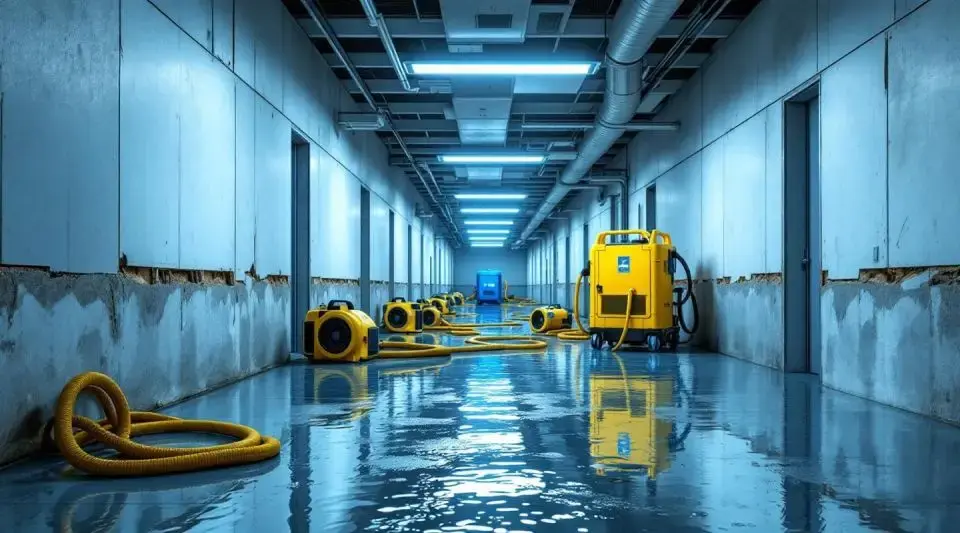
Commercial Water Damage Restoration
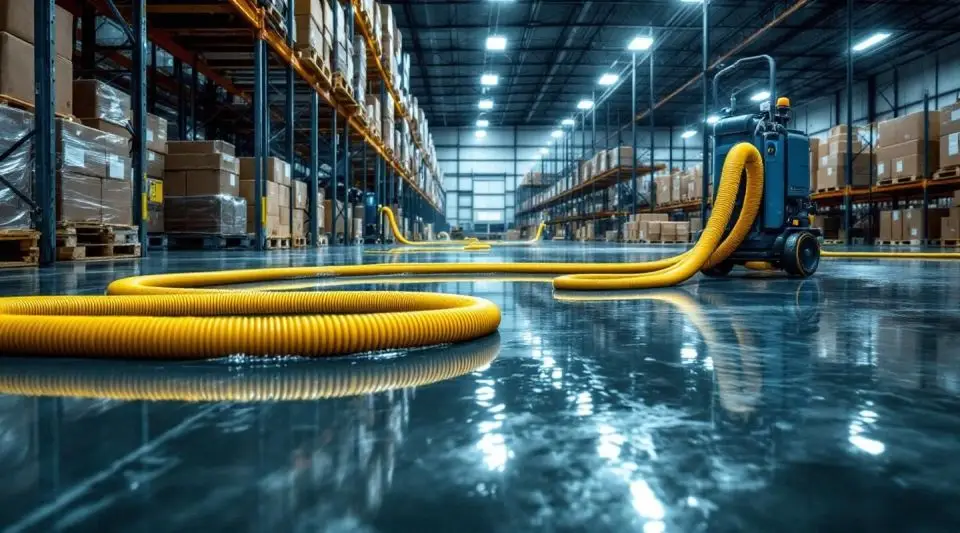
When a main water line ruptures on the upper floor of an office complex or a flash flood hits a warehouse near the Savannah River, the clock starts ticking against your bottom line.
View Service
Hotel Water Damage Restoration
When a pipe bursts on the fourth floor of a busy hotel, the clock doesn't just tick; it drains your bottom line.
View Service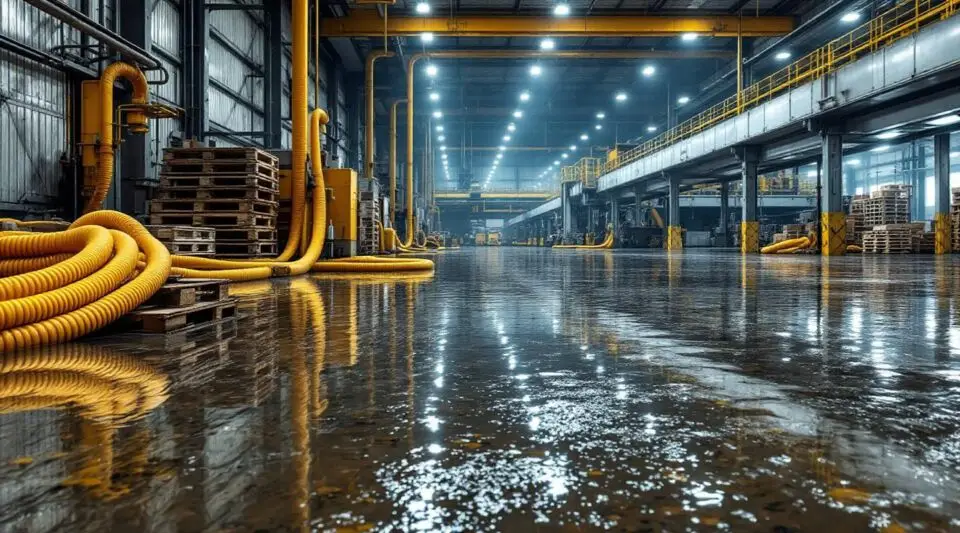
Industrial Flood Cleanup
When a water main bursts or a flash flood hits the Savannah River watershed, your industrial facility doesn’t just face a mess—it faces a full-scale operational crisis.
View Service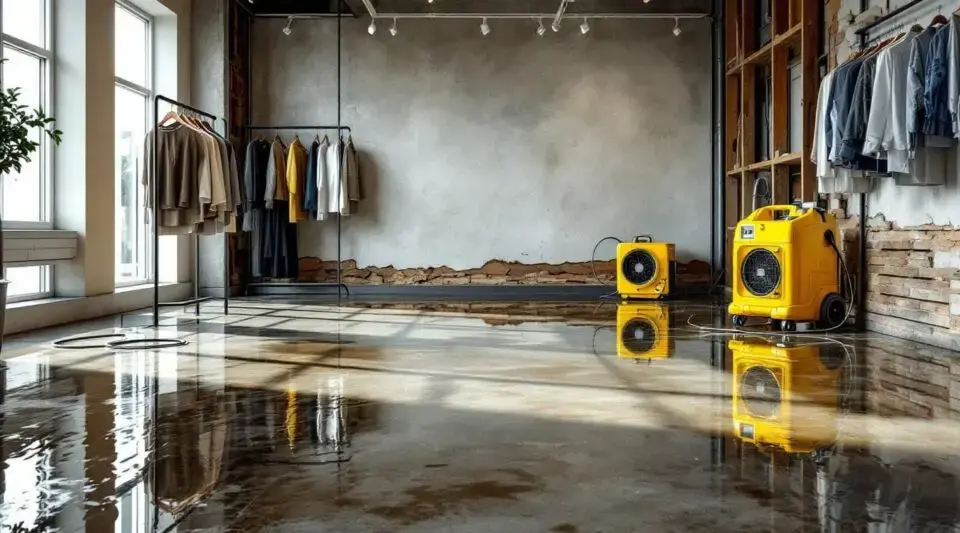
Retail Store Flood Recovery
Walking into your Augusta retail space to find standing water is an immediate threat to your bottom line.
View Service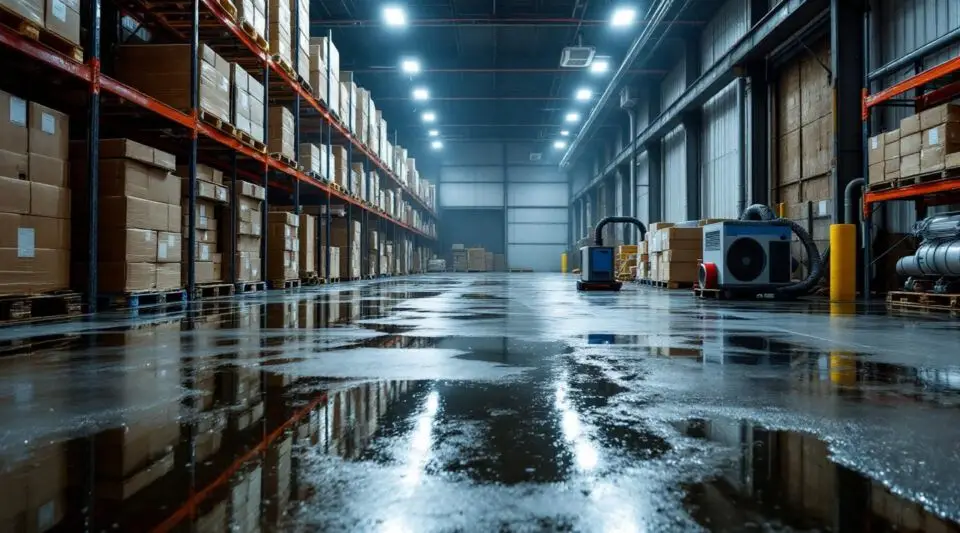
Warehouse Water Damage Cleanup
When a storm surge or a fire suppression failure hits your Augusta warehouse, the clock starts ticking against your inventory and your structural integrity.
View Service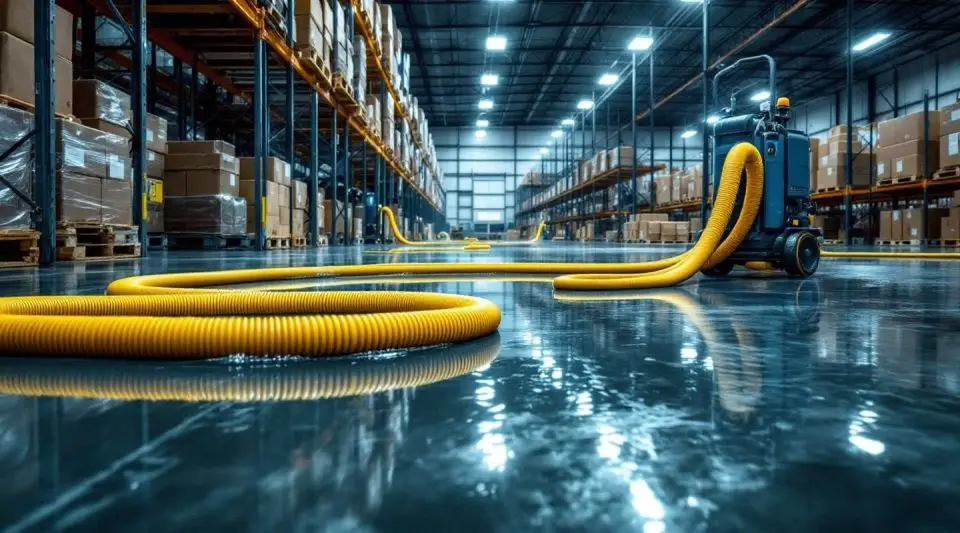
Warehouse Water Extraction
When a pipe bursts or a flash flood hits a commercial facility in the Central Savannah River Area, every minute of standing water translates to lost revenue and compromised structural integrity.
View ServiceRestore Your Augusta Operations Before the Damage Becomes Permanent
Don't let a burst pipe or a sudden building envelope breach shut down your business for weeks. Every hour that standing water sits against your commercial subfloor or inside wall cavities, the risk of mold colonization and structural decay climbs. We prioritize rapid commercial water extraction and precise moisture mapping to ensure your tenants stay safe and your lease agreements remain intact.
Our experienced technicians are on standby to mobilize across Augusta at a moment's notice. We handle the complex insurance claim documentation and the heavy lifting, allowing you to focus on business continuity. Call us now to stabilize your property and prevent secondary damage from taking hold.
What They Say About Us:
The crew arrived at our facility near the Augusta Riverwalk quickly and immediately began the thorough water extraction process. They monitored the drying equipment for three days to ensure every hidden area behind the walls was completely moisture-free.
Juanita
Professional Office Building Flood Repair After a Burst PipeThe technicians were incredibly polite while carefully removing damaged materials from our office suite in Summerville. They worked diligently to start the drying process and protect the rest of our workspace from further issues.
Lori
Polite and Careful Office Building Flood Repair ServicesAfter our sump pump failed, this team did an excellent job removing the standing water from our building near Phinizy Swamp. Their crew was efficient at drying everything out and restoring a safe environment for our employees.
Charlotte
Excellent Water Extraction and Office Building Flood RepairThese workers were fantastic at managing the entire flood damage restoration process for our property in West Augusta. They handled everything from the initial water extraction to the final repairs with great skill and professionalism.
Lauren
Comprehensive Office Building Flood Repair and Water RemovalI was impressed by their systematic approach to finding hidden moisture and preventing mold growth after the initial water damage was fixed. Their thorough inspection near the Medical District ensured that our office remained dry and safe for long-term use.
Fernando
Effective Moisture Prevention and Office Building Flood Repair