- (478) 288-8477
- 524 Richmond Hill Road West, Augusta, GA 30906
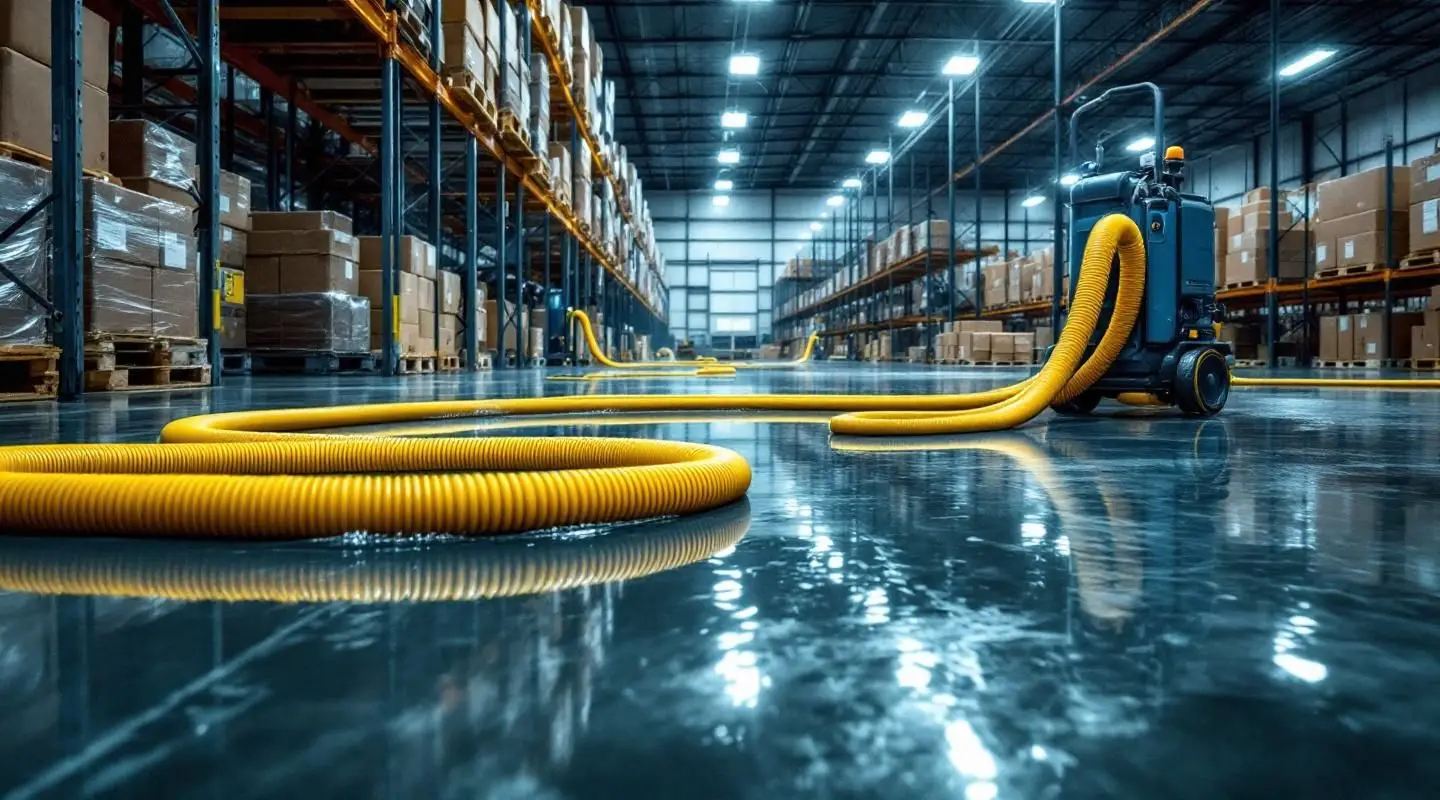
When a pipe bursts or a flash flood hits a commercial facility in the Central Savannah River Area, every minute of standing water translates to lost revenue and compromised structural integrity. At Reclaimed Restorations LLC, we understand that a flooded warehouse isn’t just a mess; it is a logistical crisis that threatens your inventory and halts your production schedule. Our crew specializes in rapid industrial water extraction, arriving on-site with the heavy-duty equipment necessary to clear thousands of square feet before moisture can migrate into your concrete slabs or racking systems.
We don’t just push water around. Our process follows the strict IICRC S500 standard, starting with the deployment of high-capacity truck-mount extractors and submersible pumps for deep standing water. In a large-loss water event, speed is your only defense against secondary damage like mold or delaminated flooring. Our experienced technicians use thermal imaging moisture detection to find hidden pockets of water behind mezzanine walls or under heavy machinery, ensuring the extraction is total and measurable.
Augusta’s humid climate makes warehouse recovery particularly tricky. Without professional-grade moisture mapping, the high humidity can trap vapor inside your facility, leading to rapid mold colonization on cardboard packaging and wooden pallets. We focus on inventory damage mitigation by prioritizing forklift-aisle flooding and loading dock areas, allowing you to resume partial operations while we complete the structural drying. We work around your shifts, providing the documentation your insurance adjuster needs to process the claim without unnecessary friction.
The primary benefit of professional Warehouse Water Extraction is the immediate stabilization of your facility’s environment. When a roof drain fails or a pipe bursts in a large-scale industrial space, gravity is your enemy as water seeks out the lowest points—often settling into expansion joints or under heavy racking systems. By deploying high-capacity truck-mount extractors and submersible pumps quickly, we stop the migration of moisture before it can compromise your inventory or the integrity of your concrete slab. In Augusta’s humid climate, every hour of delay increases the risk of mold colonization, which can happen in as little as 24 hours.
Beyond just removing standing water, our approach focuses on long-term structural health. We use thermal imaging moisture detection to find hidden pockets of water that a mop or shop-vac would never reach. This precision prevents the delamination of epoxy floor coatings and the corrosion of metal racking feet. Our experienced technicians follow the IICRC S500 standard to ensure that every gallon is accounted for, providing you with the detailed moisture mapping and documentation required by commercial insurance adjusters. This isn’t just about cleaning up a mess; it’s about mitigating a large-loss event so your forklifts can get back to work without the threat of secondary structural failure.
Speed is everything when standing water threatens your inventory. In the Augusta area, we aim for a two-hour mobilization window because we know that forklift-aisle flooding stops your operations dead. When you call, we don’t just send a van; we deploy high-capacity truck-mount extractors and a team trained for large-loss water events. This rapid response helps prevent water from seeping into pallet racking or under heavy machinery. We work around the clock, including weekends and holidays, to ensure your facility returns to a dry, safe state before secondary damage like mold or rust can take hold.
Most residential tools fail on a massive concrete slab. For Warehouse Water Extraction in Augusta, we use submersible pump deployment for deep standing water followed by high-volume industrial extractors. Once the bulk water is gone, the real work begins with moisture mapping and thermal imaging moisture detection. We often utilize commercial desiccant drying units to pull deep-seated moisture out of the concrete pores. This is critical because moisture trapped in a slab can eventually cause epoxy floor delamination or create a persistent sweating effect that ruins your stored goods.
Generally, yes, provided the cause of loss is a covered peril like a sudden pipe burst or storm-related roof failure. We handle the heavy lifting of insurance documentation by providing detailed structural moisture readings and photo logs required by adjusters. Our experienced technicians follow the protocols defined by the IICRC S500 standard, which most major carriers recognize as the professional benchmark. We provide a clear scope of work and preliminary estimates before we start, ensuring your procurement team and insurance representative are on the same page regarding the mitigation costs.
Absolutely. Augusta’s humid subtropical climate is a breeding ground for microbial growth, especially when thousands of square feet of concrete are saturated. According to the IICRC S500 Standard, mold can begin colonizing within 24 to 48 hours. If you don’t address the humidity levels immediately after the initial Warehouse Water Extraction, you risk a massive secondary remediation bill. We monitor the drying envelope of your building, using industrial-grade dehumidification to keep the relative humidity low enough to stop mold in its tracks while the structure dries.
We understand that your bottom line depends on movement. We often implement phased extraction plans, sectioning off flooded areas with vapor barriers so your crew can continue working in dry zones. Whether it’s a loading dock failure or a mezzanine leak, we coordinate our Warehouse Water Extraction efforts to prioritize high-traffic forklift aisles first. By working overnight or during off-peak shifts in Augusta, we minimize the footprint of our equipment and hoses, allowing you to maintain shipping and receiving schedules while we stabilize the environment.
Don’t let standing water jeopardize your inventory or your facility’s safety. Our Augusta-based commercial crew understands that every hour of forklift-aisle flooding translates to lost revenue and potential structural compromise. When you contact our company for an emergency large-loss water event, we deploy high-capacity truck-mount extractors immediately to stabilize the environment and prevent secondary damage like racking corrosion.
We work around your operational schedule to minimize downtime while ensuring every concrete slab and racking system meets IICRC S500 standards for dryness. Whether you are dealing with a loading dock flood or a massive roof drain failure, our team is ready to start the moisture mapping and industrial water extraction process right now.
In the industrial corridors of Augusta, a flooded warehouse is more than an inconvenience; it is a direct threat to your operational viability. Standing water in a large-scale facility isn’t just a slip hazard; it’s a ticking clock for your bottom line. When forklift-aisle flooding occurs, your entire workflow grinds to a halt. You aren’t just losing time; you’re risking racking corrosion and structural degradation of the concrete slab. In the humid subtropical climate of the Central Savannah River Area, moisture doesn’t just sit—it migrates. Without immediate standing water removal using high-capacity truck-mount extractors, that humidity will saturate your boxed inventory and palletized goods, leading to massive large-loss water event claims that could have been mitigated with faster action.
Many facility managers assume that once the visible puddles are gone, the job is finished. That’s a dangerous mistake that often leads to a second, more expensive remediation bill later. Concrete is surprisingly porous. If you don’t perform deep concrete slab drying and thorough moisture mapping, water remains trapped under vapor barriers or within the slab itself. This leads to delaminated epoxy coatings, warped dock plates, and compromised floor joints. Our experienced technicians use thermal imaging moisture detection to find these hidden pockets before they turn into a mold colony. In Georgia, mold can take hold in under 48 hours, especially in unconditioned warehouse spaces where airflow is restricted by high-density racking.
You need a crew that understands the IICRC S500 standard and how it applies specifically to industrial environments rather than just residential living rooms. We don’t just pump water; we manage the entire interior environment. By deploying commercial desiccant drying systems and submersible pumps, we pull moisture out of the air and the structure simultaneously. This prevents secondary damage like sagging roof insulation or compromised electrical panels in your forklift charging bays. We work around your shipping schedules because we know that a total shutdown is rarely an option for a busy distribution center. We focus on getting your facility back to dry standards so your logistics chain stays unbroken.
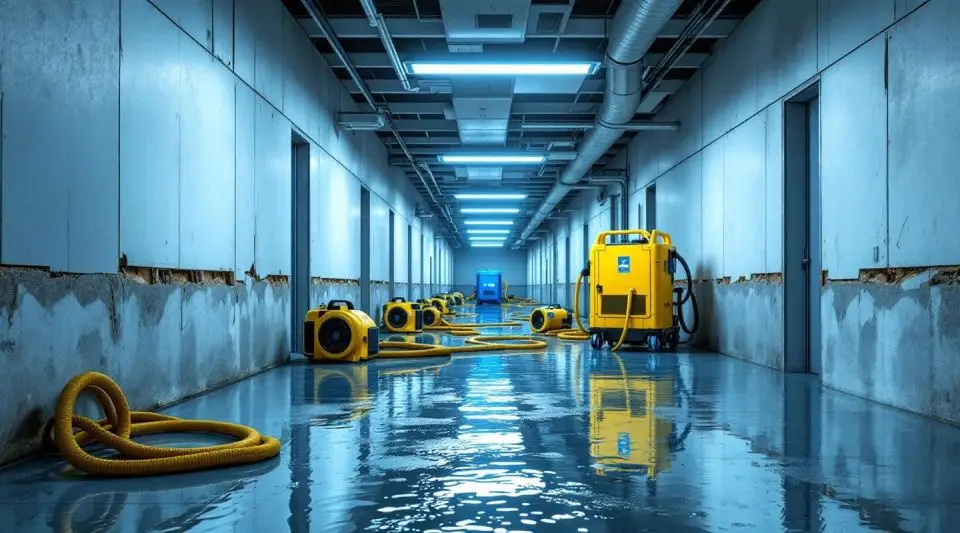
When a main water line ruptures on the upper floor of an office complex or a flash flood hits a warehouse near the Savannah River, the clock starts ticking against your bottom line.
Learn more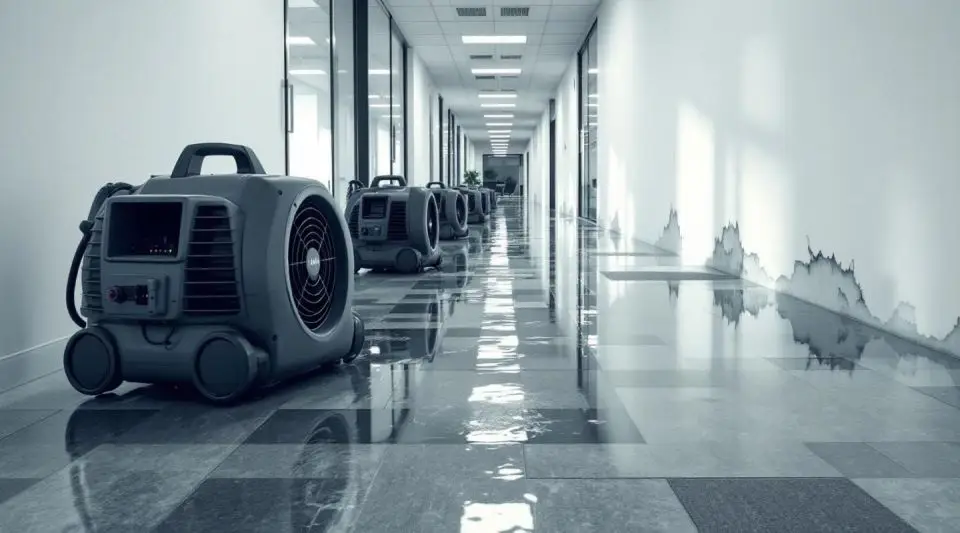
When a water main bursts on the fourth floor or a flash flood from the Savannah River basin breaches your building envelope, the clock starts ticking against your subfloors and drywall.
Learn more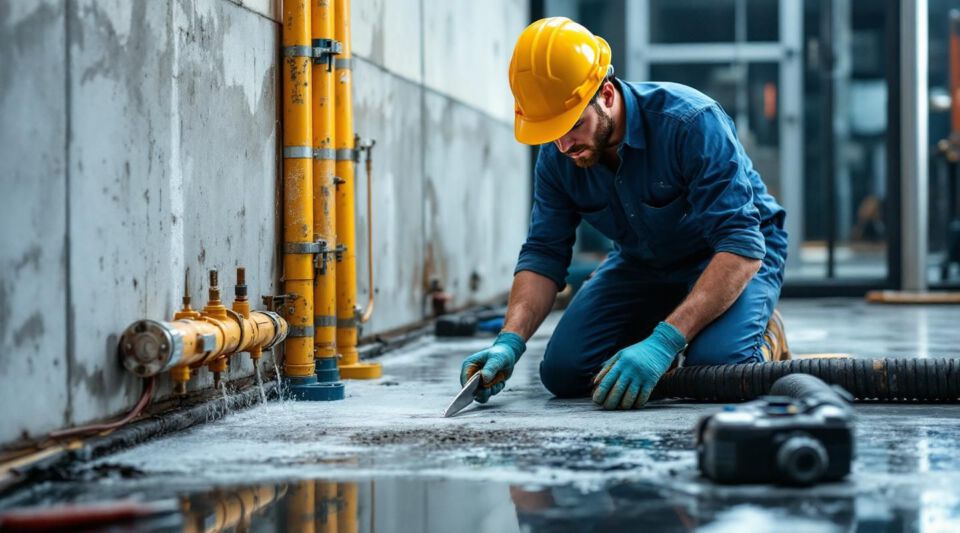
When a pipe bursts on the fourth floor of a busy hotel, the clock doesn't just tick; it drains your bottom line.
Learn more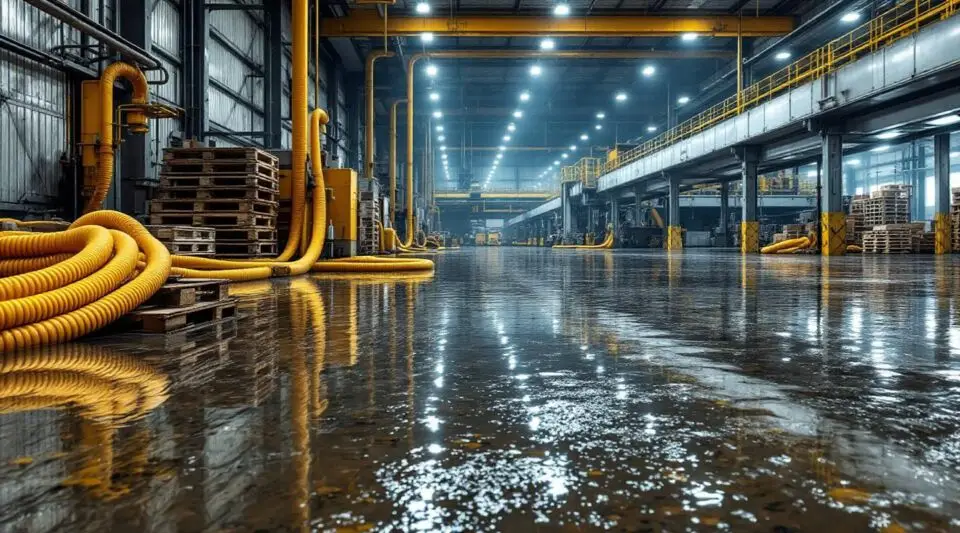
When a water main bursts or a flash flood hits the Savannah River watershed, your industrial facility doesn’t just face a mess—it faces a full-scale operational crisis.
Learn more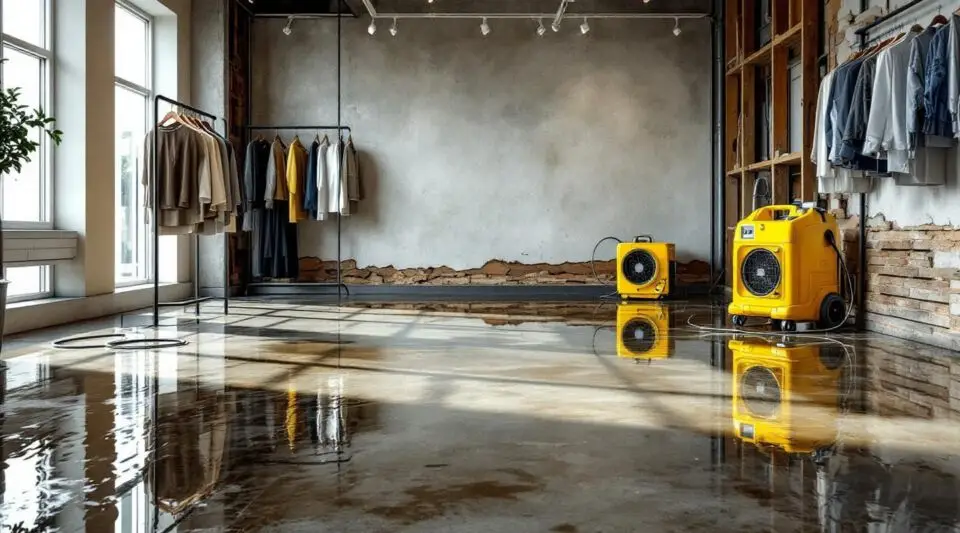
Walking into your Augusta retail space to find standing water is an immediate threat to your bottom line.
Learn more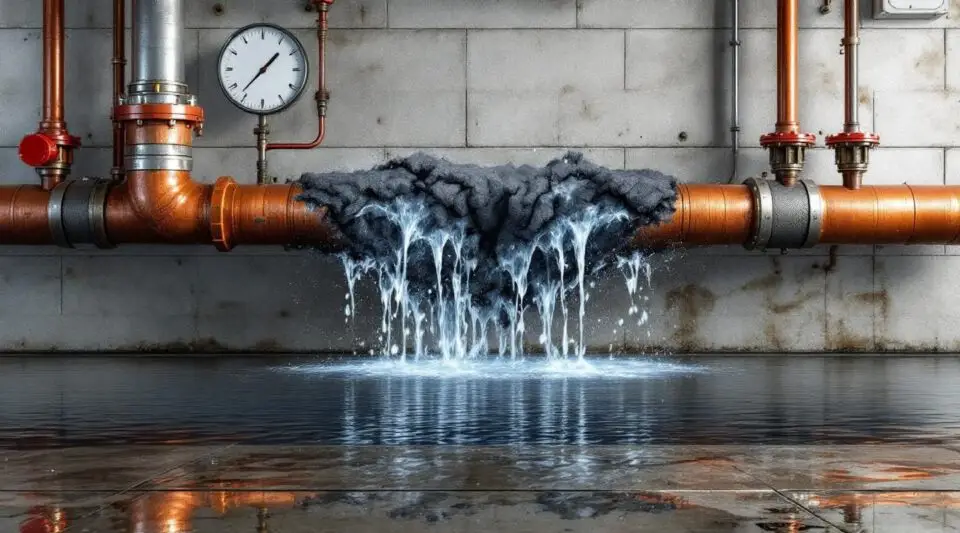
When a pressurized line failure occurs in a multi-story office or a retail storefront, the volume of water released is staggering.
Learn more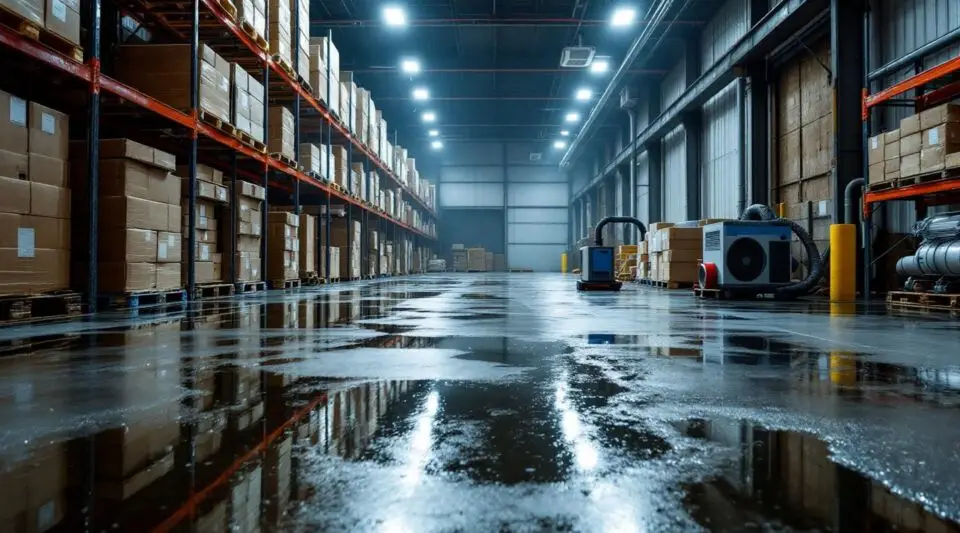
When a storm surge or a fire suppression failure hits your Augusta warehouse, the clock starts ticking against your inventory and your structural integrity.
Learn moreWhen a pipe burst in my kitchen, I couldn't stop the water from leaking into other rooms. I hired a company to fix the water damage, and they came to my house sooner than I thought they would. They immediately began removing the water and setting up drying equipment. I liked how careful they were; they checked behind walls and under floors to make sure there was no water left. They made everything easy, which made some people feel better. They watched everything closely for the next three days to make sure it was drying properly. By the end, all of the affected areas were completely dry and safe again.
Juanita Smith
After they fixed the water damage, I was amazed at how well their approach for finding mold and keeping moisture out worked.
Fernando Antonio Rojas Olivares
Their workers were great at fixing flood damage, from getting rid of the water to making repairs.
Lauren Propst
Their crew performed an excellent job of drying things out and getting rid of the water after the sump pump broke.
Charlotte Welch
The workers were polite and careful as they took out the broken things and started to dry up the building.
Lori Madden